
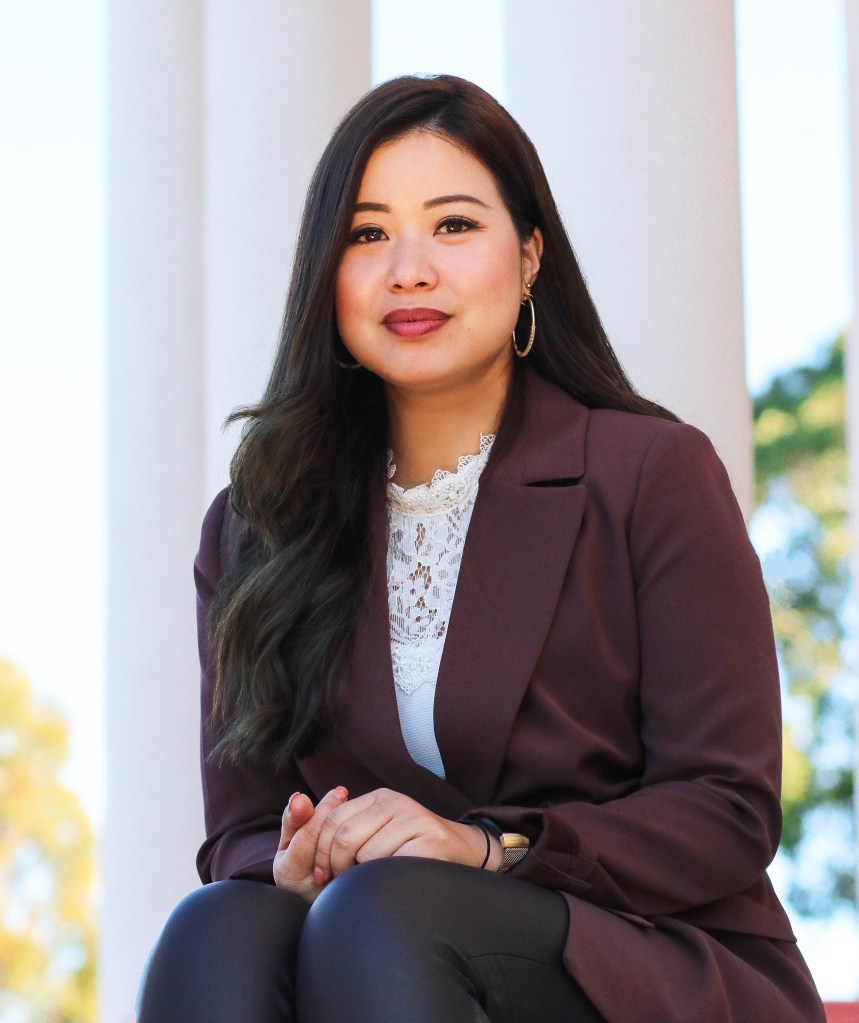
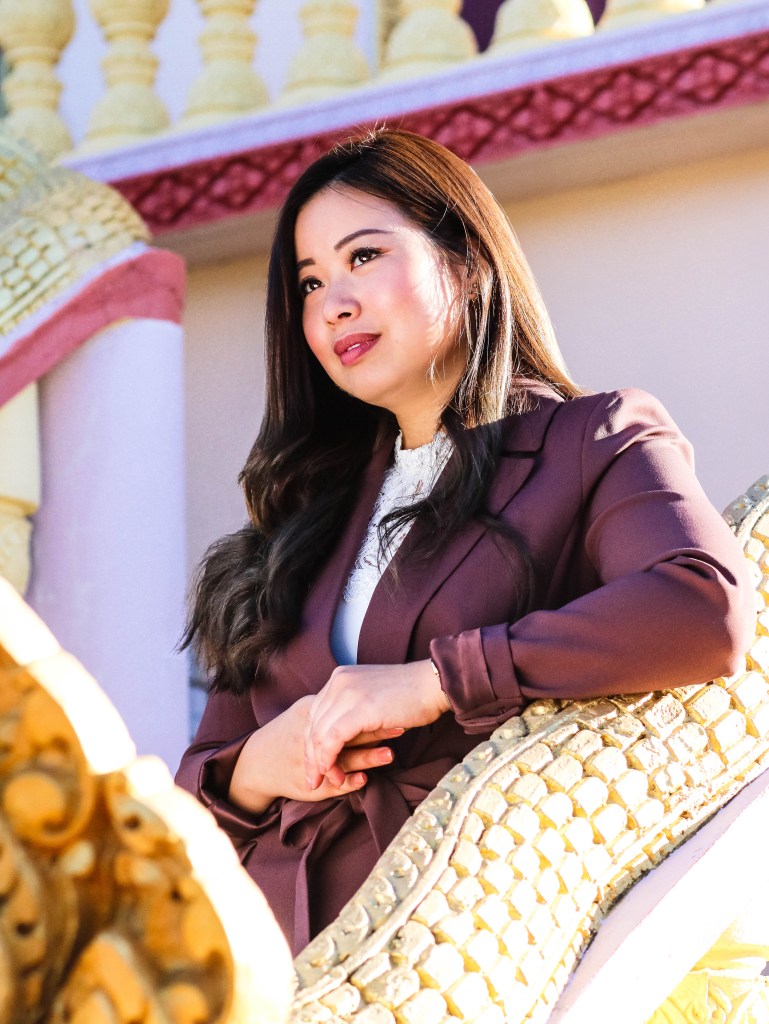
DAM: Welcome Brenda – our first interviewee! It’s wonderful to be here with you in this beautiful place. So how are you, tell me a bit about yourself?
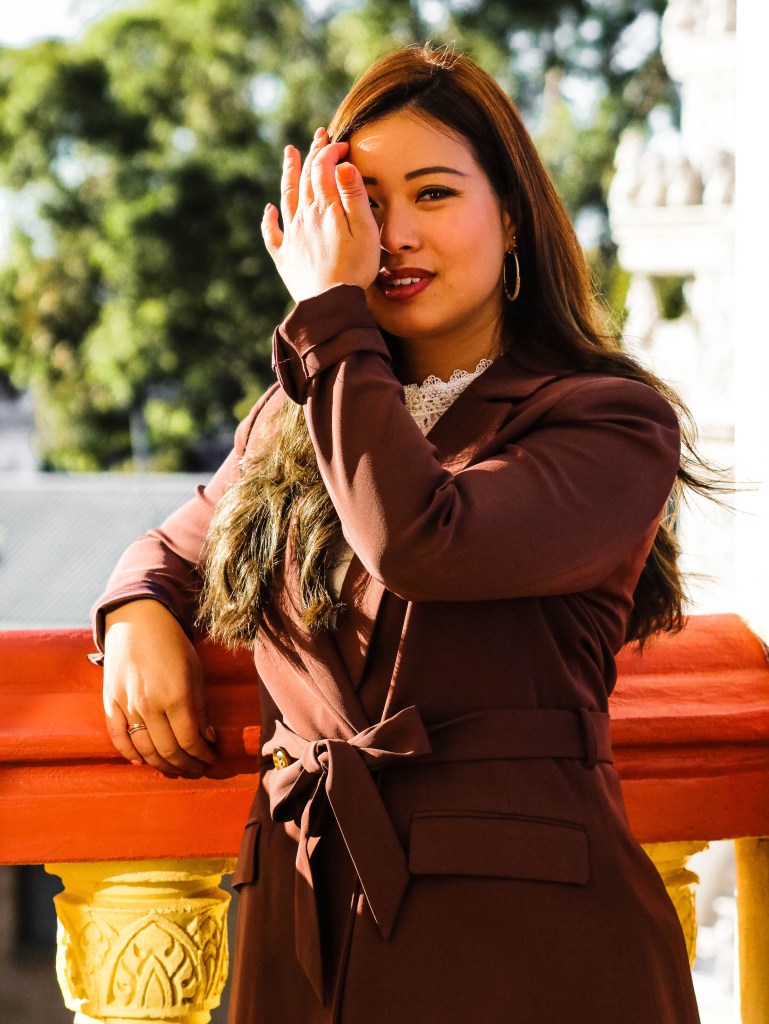
BC: I love the fact that we’re filming here inside the Heart of a Cambodian Temple. That really means a lot to both myself and my family. It’s a place that I have very fond memories of as it is where I spent a lot of my childhood. Growing up with just my father, he would literally take me everywhere that he went. He spent a lot of his time in the temple doing work with the community and so much of my childhood was spent waiting for him – and avoiding stray temple cats. As we had no smart phones back then, the good old trusty Melways, my Tetris Gameboy and whatever novel I was reading at the time were pretty much my weekend survival kit. When sick of waiting in the car, and if feeling brave enough – I would venture onto the temple grounds to explore, and struggle through awkward conversations with monks and whatever elders were around. I have always been a shy introvert at heart and so I never really liked speaking to others. I would prefer to help out the old lady who was washing the dishes, rather than play with that other kid who was also hanging around.
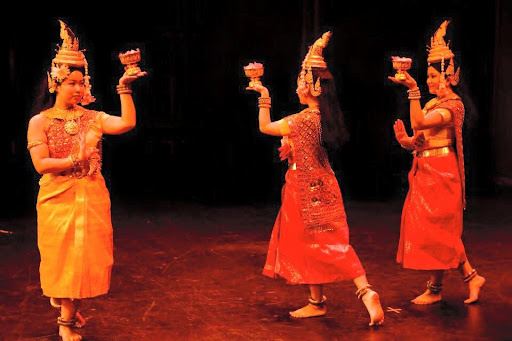
‟ I remember one time I was at a temple when I was a little girl and it was a community event, held in an old town hall at the time when we didn’t have temples yet. I remember seeing these dancers, Cambodian dancers, coming out on stage and as a little girl I was thinking – that’s amazing, I’ve never seen anything like this in my life. ”
DAM: So can I ask, what would it mean if you didn’t have this connection – if you had to move somewhere and weren’t close to this community?
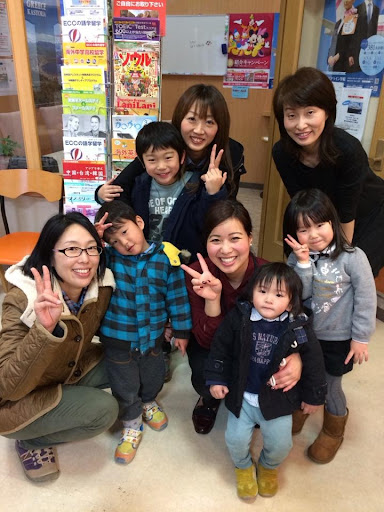
BC: I love that you ask this question because that really did happen to me. After I finished uni, I moved to Japan for work. I didn’t know anyone, couldn’t speak the language and hardly knew anything about Japanese culture. I purposely wanted to throw myself out of my comfort zone to see how resilient [I was] – and how much I could grow. While I was there, it didn’t take me long to realise how much I missed my Cambodian connection. Every April it’s our Cambodian New Year. For as long as I can remember, every April was a time for my family to get together, for our Community to unite over food, music and festivities – and for my dance group to perform.
In April that year, I felt so lonely. It was the first April I had spent away from my family, my community and my hometown. I found myself literally googling ‘Cambodians in Japan’, found some communities and then within a few days – hopped on an evening train after work, en route to a Cambodian New Year gathering that was held at a Local Community Hall near my place in Kobe. I met all these vibrant and youthful Cambodian and Japanese students and together, we shared such a magical evening; singing, dancing and playing traditional Cambodian New Year games. We were speaking in Khmer, Japanese and in English; exchanging our cultures over food and music. It was such a Kaleidoscopic Multicultural Feast for the Senses – for our minds, souls and our tummies. It was at that moment that I felt complete, whole – and connected again.
DAM: Have there been any moments at all where you felt disconnected or wanted to ‘reject’ your culture? Because for example, growing up in Australia – a western country, there can often be moments for people where they want to reject their background in order to fit in with ‘the norm’.
BC: I think I’m quite lucky in that from a young age, I’ve been raised with such a strong and firm belief in my faith, values and culture that I’ve never really felt ‘disconnected’ or ‘rejected’. Yes, I’ve noticed that we were different from others, and that what was on mainstream news and media, not necessarily reflective of how my family lived – but I knew that we were Cambodians living in Australia, and so I was able to distinguish between that. For me, they were two separate worlds, and I was a bridge. I would learn and observe the Western ways; did the same with my Cambodian/South-East Asian Culture, and realize the strength and importance of both. Knowing that we were the minority in a Western Society, made me want to cling on even harder, to preserve and protect our Cultural Heritage and Identity in the fear of it being lost. Growing up, my parents had always taught me that if something is important to you then don’t be shy of it. I was always quite a reserved and shy kid but the love for my roots, culture & community gave me so much life and joy that I always wanted to share it with others.
‟ I remember one day in primary school – we had World Cultural Day and I wore a Traditional Cambodian outfit to school. I had forgotten to bring a change of clothes (my uniform), and we had a bicycle riding class that afternoon. I ended up riding the bicycles in my Traditional Cambodian clothes – and I was loving it! I’ve always loved being different; if anything, I felt that it was my super-power in that it was a special little secret in which only I knew how to unlock. ”
DAM: What was one of the main reasons you became a teacher?
BC: It’s funny that I ended up being a Teacher, because without knowing it at the time – I come from a line of Educators. A lot of my family’s lives revolve around Education. Even if they weren’t teachers themselves, my family has been contributing – whether by directly building, donating funds or working there – to our local High School in Battambang, Cambodia (Preah Monivong), in which both my mothers, my father, my grandmother, my aunts and uncles attended or taught at. I didn’t know that I wanted to be a teacher, but in retrospect – the signs were all there. I used to watch Matilda as a kid, religiously on repeat, admiring Miss Honey and secretly hoping that one day if I tried hard enough, I too could unlock Matilda’s magical powers. I loved Dangerous Minds, and always wished to be like the Teacher that Michelle Pfeiffer played. I loved the challenges that she overcame and how she was able to enrich the lives of her students, whilst at the same time – learning about theirs. I loved Sister Act (the one with Lauryn Hill). A Classic – self explanatory.
‟ I think for our family, education has been a way to contribute back into the world that helped shape us. Through education, we hope to help shape and nurture the future generations, and pass on the lessons that we ourselves have been taught. It’s like a cycle of life, that just keeps getting better, we hope. Whether it was fate, or I just naturally drew them to me – the opportunities to become an Educator came effortlessly to me. I didn’t have to seek them out, they literally came to me. All I had to do was so yes, and do it – and that’s what I’ve done. ”
I remember when I was a high school teacher, I was teaching this class – about year 8 or 9 English, and there were three of four boys, you know the naughty kids who are always distracting everyone? Well those kids happened to be Cambodian. The teacher I was co-teaching with was having a really hard time with them through class, so at the end of the class I remember holding them back and chatting with them, speaking in Khmer to them basically saying, ‘Listen guys, is this how you want us to be known? Is this what you want the world to think of Cambodians?’ You know we’re here because our parents survived a genocide, because they had to fight for their life,’ and I just fully gave those boys a heart to heart and let them know what they’ve come from. I remember after that day I held them back, they had so much respect for me and the next day they came to class early, they lined up and they were like, ‘Miss do you need help carrying your books’? and they were so much more helpful. I haven’t been in contact with them since but it was very rewarding to see that change of behavior in such a small amount of time.
DAM: What would you say keeps you going?
BC: My Parents and The Spirit of my Ancestors. There have been times where life has been tough and my passion, not as evident. Suppressed in the mundane day-to-day activities; the daily grind – it’s easy to forget about it. But it’s moments like these where I am grateful to have the opportunity to pause, reflect and reconnect with my purpose, that I feel the spirits re-submerge. It is in these moments, and when I see my parents wake up early in the mornings to go to their factory jobs, that I am reminded of how grateful I am for all they have given me. I am reminded of all the sacrifices that my parents have gone through; the pain, the struggle, their fight for survival. Living on 7 grains of rice in water, starvation, child labor – all for what? For me to do nothing with my life? Without them, there would be no me – and all I am, is because of all they’ve done for me. This is what keeps me going. We have such a beautiful and rich culture that needs to be preserved and carried through into the future generations, and if I don’t do it – then who will?
DAM: That’s pretty powerful. Well, then let me finally ask you about your foundation which this all ties into. Can you tell us more about that?
BC: As a result of the 1975 Genocide in Cambodia (led by Pol Pot and the Khmer Rouge – also known as the Killing Fields), my family are now dispersed all over the World. So I’ve spent the last decade going back and forth to Cambodia meeting family in Canada, America, France. I’ve met Aunts and Uncles all over the world who share the same last name and blood as me – and I love their stories! I love their spirit and I want to do something with them before life takes its course. By establishing the Foundation, I hope to link all my relatives around the world, to facilitate the work that our family has been nurturing over the generations. But not just my family, I want to open it up to the world and unite all those who share the same passion and purpose, and want to become involved in what we do.
Named after my family, Chamroeun in Khmer means to prosper or to grow. And that’s exactly what the foundation sets out to do. With the money raised through the Foundation, I hope to use it to fund scholarships to provide opportunities to Cambodian children to study abroad. To be able to fund these scholarships for these Cambodian students who are underprivileged, who may not have as many opportunities as we do – that’s what I truly desire. I also have plans to open up a Voluntary Teaching Program where those interested can do Volunteer Teaching in Cambodia through the connections of the Foundation. This will not be just teaching English, but will also encompass other areas in life which skills would benefit the students, including Healthcare, Financial Literacy, Handiwork etc.

DAM: As an artist, in whatever field you pursue, I think there’s always a project that’s very personal to you. In a metaphor it’s like your soul, would you say this is like that?
BC: 100% . The Chamroeun Foundation is just a word. It’s just a physical form of everything that I’ve encountered and everyone that I’ve met, put together into something that works to benefit the society as a whole. It’s like a portfolio for all the work and connections that I’ve accumulated up to this point in my life. I didn’t even know this would be the outcome but it’s just the logical conclusion.
Over the years, I keep meeting different people and new opportunities which just meld perfectly together. The Chamroeun Foundation is just the bi-product of all of that and I think it would be silly to not act upon it.
I guess in a way it does represent my soul in that it truly does ignite me; it’s a flame that when fed well, will grow and burn into something beautiful, providing a source of light and warmth for those close enough to feel and see it. When I pass away and am physically gone from the world – I would love for this flame to continue burning; to continue lighting the way for future generations, making sure that our Heritage and Culture continues long after I’m gone.
.
.
.
You can find more on Brenda’s mission here:
Facebook: https://www.facebook.com/chamroeunfoundation.org
LinkedIn: https://www.linkedin.com/company/chamroeunfoundation/
~ Published by Sangeetha Gowda.
 Diversity Australia Magazine