
DAM: Today we’re sitting down with Actor, Filmmaker & Cultural Practitioner – Maria Tran. You may have seen her on billboards around Sydney as Madame Tien from ‘Last King of the Cross’ (2023, Paramount Plus) or through the Indie Film circuit with her female-lead Independent Action movie Echo 8. Working between Western Sydney and Las Vegas, Maria has a mission to bring about action movies and projects that are not only for the community but also for the mainstream to take an interest in grass-root level projects.
Maria, where did this journey begin for you? Was there a memory or a time that sort of drew you towards this career?
MT: For me, growing up in Brisbane, Queensland, I was always the bullied kid. I was the only Asian kid [in school] and I remember not having any friends until one day a group of girls would come up to me and they started to touch my hair and they started petting me – I thought that was endearing! Each time when they came around I would just naturally put my hair out towards them, it’s just such a weird thing, right? Because as a kid that’s what you think, you know, ‘they like me, they like my hair’. But only later on I realised I was “exotic”, you know, being the only Asian kid was interesting to them and that’s how they connected.
So moving schools again, I just felt like I’d never had a chance to have a group of friends, so I would just spend a lot of time in my imaginative world. And I watched a lot of Jackie Chan films and Donnie Yen, Michelle Yeoh and back then – the 80s films. It was usually ‘the underdog breaks the system’ or ‘tries to take over the oppressors’ and all that stuff. I always felt like I resonated with those stories because I felt like I’m the underdog.
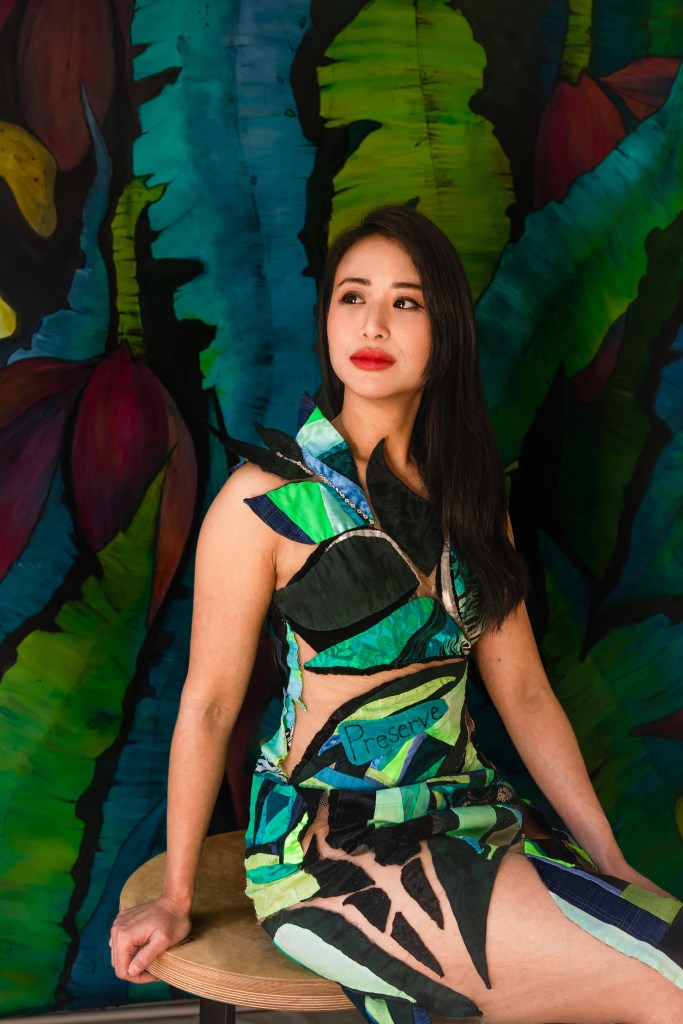
“I always felt like I resonated with those stories because I felt like the underdog.”
So I sort of had this strange internal wish that I wanted to be an action star or in film and television, because I just felt that that was probably the only way I could be seen.
It never happened during school, but I always had a thing where I loved observing people, the mechanisms on what they show people, but also internally how they feel. And that moved me into doing psychology. So I always have this deep interest in human motivation as well as why they do the things they do, the choices they make, how they propel themselves out of situations. So for example, if they’re in a time and place that’s not ideal – how do they pave their way out of it and propel themselves to better potential of who they are?
So as a kid – I was a loser, so I had a dream of being an action star! Two big things right? And growing up it was always this sense of ‘No, you’re dreaming’ but there was also a part of me going, ‘But what if?’.

“…growing up it was always this sense of ‘No, you’re dreaming’ but there was also a part of me going, ‘But what if?’.
There’s certain cross points of opportunities that present themselves as you go along in the years and you go – do I take it? Or if the fear consumes you, then you don’t. But you get presented with stuff.
DAM: So what made you take that leap of faith?
MT: During university days I saw an ad that they were doing a martial arts film out in Cabramatta. It was this guy who claimed he was a director but he was just this guy from film school! [laughs] He held auditions in Cabramatta park – It was just him with a clipboard and he’s like ‘Okay, I wanna see your moves, your acting, just make stuff up – improv’. So I did it, ended up not getting the role, but I became the admin girl. I had to do all the producing and stuff like that. But then one of his actors couldn’t take part in his project, which was one of the key fighters. So he said we’ll get another person in and you can play the female part – so a bro and sis kind of team, because there’s no believability if there’s a female fighter, right? So I did that as a voluntary project for probably four years, on the weekends. We’d drop everything, get in our cars and go to Cabramatta with swords and weapons and start shooting bits of it until the cops came and then we’d pack up and run away.
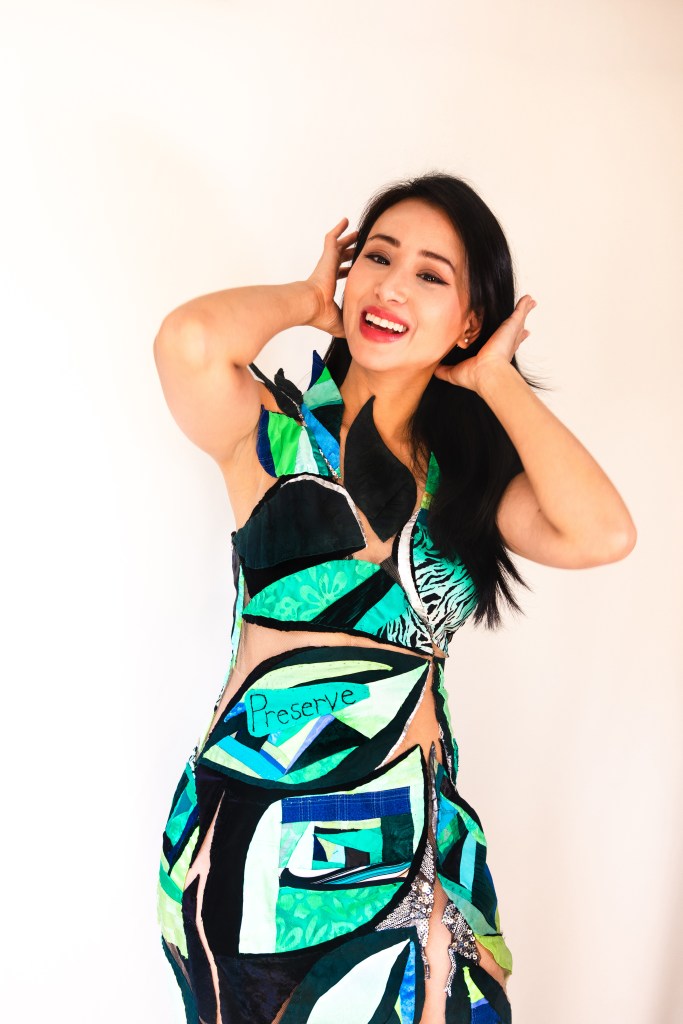
“We’d drop everything, get in our cars and go to Cabramatta with swords and weapons and start shooting bits until the cops came and then we’d pack up and run away.”
The film did pretty well in the community but once it got out of the community, it was funny, because I approached a film critic, and I got him to watch it and he goes, ‘Oh, this is Fantasia Australia’. Like this is about 15 years ago now but for him to say it’s a Fantasia Australia or ‘Oh, is this from China? How come they’re speaking in Aussie accents?’ – is like, no, it’s from Cabramatta just over here. So it was really ahead of its time.
DAM: Wow it definitely was. Was it that experience that made you think about creating your own projects?
MT: Yeah through that process in between I did free filmmaking workshops held at ICE [now ACE]. I learned the ABC ‘s of filmmaking in a short 12 week course, but the coordinator left that role. And then she’s like, do you want a job? And I’m like, ‘Yeah! Just got out of uni – I’m unemployed!’ So I got handed over this role as Youth Digital Cultures Coordinator for about four years, and my role was to write grants and then find ways for those grants to be activated with projects – fund a bunch of projects in graphic design, music, film, in Western Sydney. Anything that is culturally diverse in artistic practice, we’d create programs then there’s a showcase. And we’d then find ways to create more sustainability in that area. Because at that time I remember film wasn’t a thing yet. This was 15 years ago. Western Sydney in film, so I’m like the forefront of that. So it wasn’t a thing until that happened, especially having an organisation with the financial backing from the government as well as various funding bodies to do that. So I was employed in that but a lot of my colleagues were like ‘What about you as an artist?‘, you know, as an independent artist, you have the right to voice your own opinions as well as have the right to do whatever you want because it comes down to you.
After the ‘Maximum Choppage‘ (2007) project, which is Australia’s first Kungfu movie we made 15 years ago, I ended up doing a bunch of short films, still action genre. I delved into documentaries. That was my thing. I did a documentary on ‘Quest for Jackie Chan‘, which is this bizarre doco which I haven’t finished. I’ve got hundreds of hours of footage of me trying to find Jackie Chan and I actually end up finding him.
DAM: You found him?!
MT: Yeah! He invited me to work on his production when he was in Sydney because he heard about The Quest – which is hilarious! I mean, you know how you do a project because you want to make a point? That was that project – I didn’t think I’d actually… [laughs]. I remember on set [of Bleeding Steel] I was looking at him and he looks at me, and I look at him and I kinda duck off and he’s like, ‘What’s with this girl?’ And then he had to get his stunt double who looks exactly like him to find me and he said ‘Why you running away from Jackie? I’m like ‘Ah, I’m busy. I’m working on cleaning’. He’s like, ‘Jackie’s trying to say hello’, I’m like ‘Oh, hi Jackie!’ Eventually we connected on set and he invited me to go on a personal family road trip to Canberra, to his original home in Canberra. He’s got a history in Australia – at one point he was Australian. Yes, Pretty bizarre!
DAM: We did not know that!
MT: Yeah. One point, he had some sort of residency here because his parents live in Canberra and he was working for a construction firm in Canberra. Got the name Jackie because some white guy was Jackie and they couldn’t pronounce his Chinese name, so they called him ‘Little Jackie’ ’cause he was always around the big guy. Typical Australians [laughs] ‘Let’s call you Bob, John, Terry’ you know.
DAM: So Maria, why filmmaking? Was it always on your radar from the get go?
MT: I think as a kid I always wanted to act but then I realised as I got into the industry that – the roles I kept getting were; migrant lady, hot bread shop keeper roles, prostitutes, you know, so many and it’s so hilarious because for me going to these auditions, I’m like, ‘Oh my God, I’m in a room where there’s like 10 women. We’re all auditioning for this freaking prostitute role and we’re all competitive with each other’. Like why are we competitive over this really tiny stereotyped role?
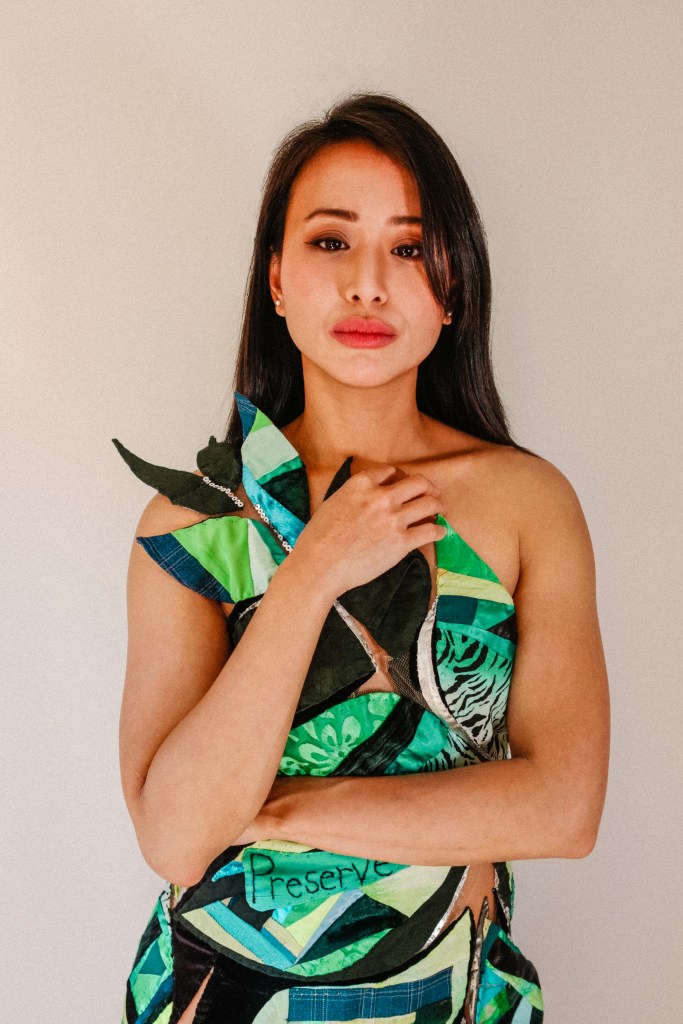
“The roles I kept getting were; migrant lady, hot bread shop keeper roles, prostitutes… I would think – why are we competitive over this really tiny stereotyped role?
But that was how it was and especially as an Actor, if I was to go back in time and be just an Actor and that’s all – I’m pretty stuffed. Because I’ve studied most of the Asian Actors in Australia and their Trajectory. They haven’t gone far and the ones who did – what did they do?
DAM: Go international.
MT: Went International right? So the ones here – unless you become multi disciplinary, you’re not going to stand a chance because the roles that are written are always going to be the same.
DAM: Would you say over the past 15 years of being in the industry – has there been a lot of change in the Australian industry in regards to those stereotypes?
MT: Well first off what I found is – even though there are a lot of stereotypes, you still have to go in and freaking blow them away with the stereotype. So I’m pretty good with the Vietnamese accent. I appease that demand – but only to get in, have a name and then you can diversify. The problem I did come across is that I often get overlooked. ‘Oh I don’t think she can do drama, she can only do action’ or whatever, right? So I had a lot that was against me. I was told ‘Maria, people really like the amount of stuff you have online. But It just tells the story that you only do this one thing’. I’m like ‘So what?’ They’re like ‘Well, maybe if you pull it down’, I’m like, ‘I’m not, I’m not gonna pull my identity!’ I’m not gonna lie that I made these videos before, it takes a lot of time, effort. I am not going to bend myself just so that people can say ‘Maybe she can do it’.
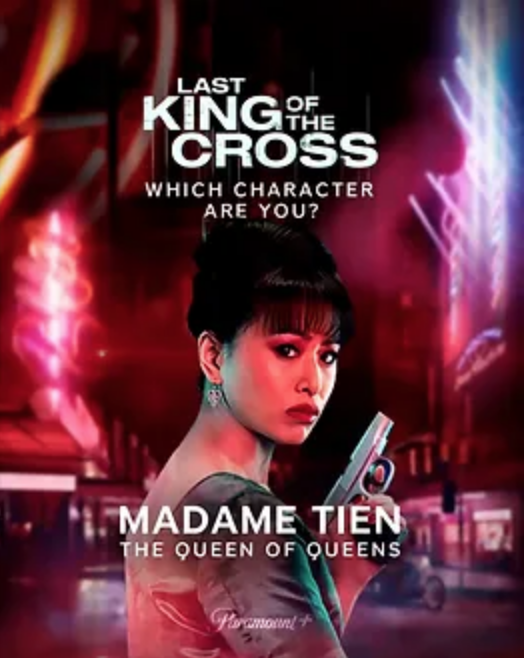
And then I remembered for certain roles I wouldn’t get offered to audition, but I’d be like – just ask them. Ask them for the sides so I can just put in a tape. It does not hurt them. It costs me time, but does not hurt them. Just let me do it. So I always believe what I have and through the process of Last King [of the Cross], people have really given me feedback that – dramatically and especially working with Tim Roth, a phenomenal Actor, it’s just such a good experience because working with people like that, you realise it’s not just technique based as an actor, it’s life experience base, but also the depth and ability to empathise but also have the creativity and play to fully get yourself into a character mentally, physically and soulfully. There’s always going to be challenges and if you’re given that challenge that means you’re about to be on the cusp of stepping up. But if no one cares or knows who you are, if you’re not asking for anything, then you’re going to be on the side, the wallflower. I always tell Actors, don’t sit on the fence, you gotta figure out what’s your brand or what’s the thing that you want to show to the world.
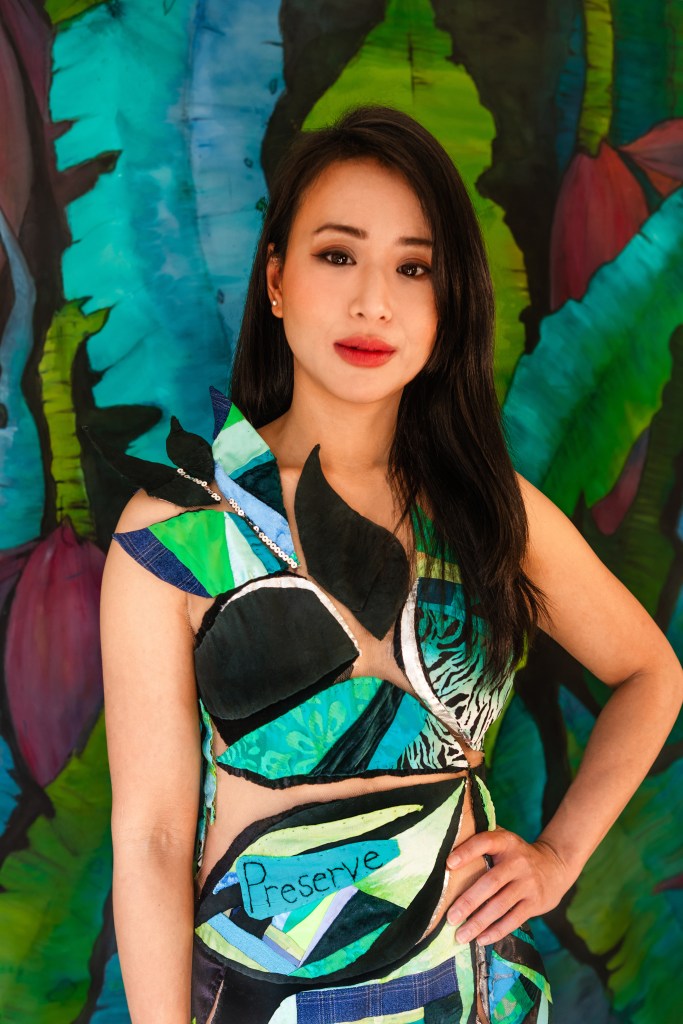
“Don’t sit on the fence, you gotta figure out what’s your brand or what’s the thing that you want to show to the world.”
I know – they want to be everything but that’s the worst thing to say. When they ask me, I say I want to do the action genre but I could do drama because I’ve already done it. But at the same time I want to produce my own films and that’s been key because otherwise, you never see yourself as a lead at all, in mainstream.
DAM: What you said there, getting to be the lead – that’s such a thing, because we spoke about it once – with some of the films we’ve made through NOAH Films, if they had gone out to an Australian Casting Director, who would have likely gotten the lead? Probably not people who look like us right?
MT: Right. Yeah, but it’s always the case because, you know, think about it from their perspective – they’re a particular ethnicity, they’re a particular group, they don’t understand us because they’re not around us. It’s like ‘Oh, if we go past Paramatta it’s like going out to ‘the West,’ – when it’s really not that far. So there’s still that big divide and I think the only way for us to make change is be our own independent self, create independent projects with people who have that sort of collective, independent way of doing things.
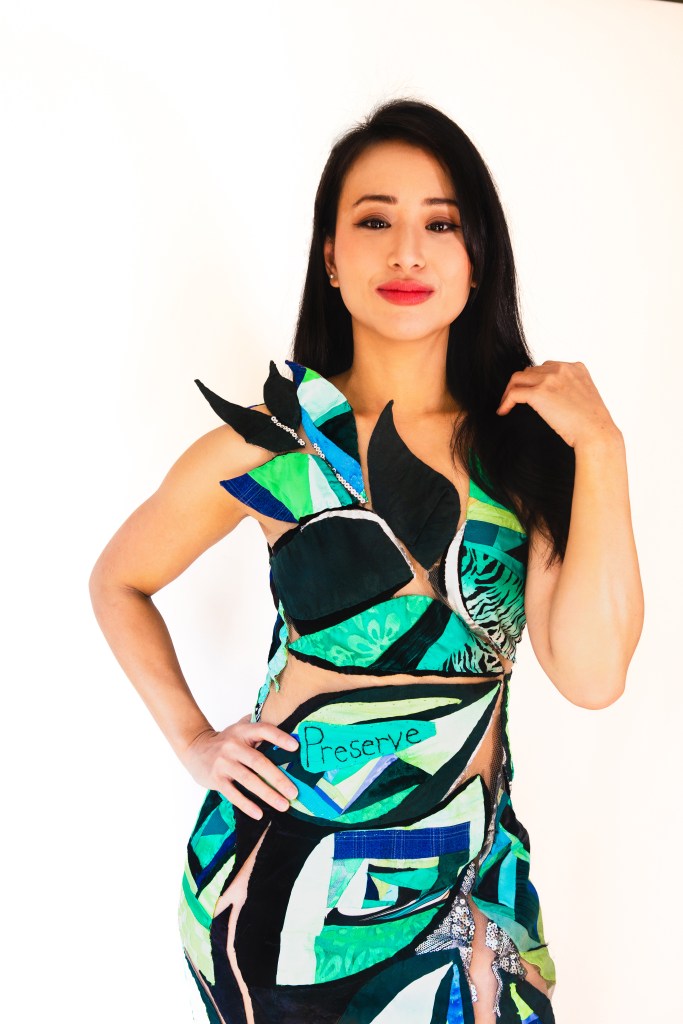
“Be your own independent self, create independent projects with people who have that sort of collective, independent way of doing things.”
After doing Echo 8 I had producers saying ‘Maria is not professional’. Like why did you make it on such a low budget?‘. It’s a passion project, made on ten thousand, I can’t afford to pay people I’m not even paying myself. Like I’m not doing this for the industry. I’m actually trying to step on a bar on top of you guys because eventually, and I’m seeing the trends in Hollywood, there’s now a push for independent film makers and creatives because the costs are so high, if we want to bypass that, we need to find really good independent filmmakers who know how to make things efficiently and make things with heart. And we just give them the backing because we know that they’re going to make stuff that’s going to flop, but it’s not a $200 million flop. How many of those have been coming out? It just proves money does not make a success. We do it because we love it. That’s why we we are a threat because we’re not doing it for a pay check.
DAM: What’s your experience been like in Australia with the projects you’ve been creating?
MT: I think in Australia it’s a little bit more behind, but I don’t think independent creatives and artists should be deterred by it. Like, just take it at face value because you know that in the long run things are going to shift.
The main thing with independent artists is sustainability. And a lot of people tell me, ‘I’m gonna quit my corporate job and go straight into full time acting’. Good luck, right? That doesn’t work. You have to have both your feet in multiple things, pools of resources to help you sustain yourself financially. That’s important. You know, people go ‘Oh, but you were on billboards. How come you’re like holding a camera?’ [indie crew gigs] And I was like oh okay, you’re looking down at me. But at the same time it’s OK because you know they don’t understand my plight and I’m not going to get angry at it. If you have a craft that’s there, it will find itd way to shine.
“If you have a craft that’s there, it will find its way to shine.”
DAM: How much do you think your upbringing, like your parents, have shaped you into who you are? I feel like that work ethic maybe stems from that Immigrant mentality from our parents – of coming to another country and working your way up from the ground.
MT: I’ve actually reflected a lot on this, I think it’s also because we don’t come from a place of entitlement, we have to hustle, right? But at the same time, if you think about it, good stories, where do they come from? Not entitlement. Hustle. The underdog. When we go to watch films, we’re always looking for a journey from nothing to something. And I think we’re actually naturally endowed with that because I meet people who don’t have that in their story or their family. And in fact, there is a detriment to being born to just generational wealth. I’m not saying all of them, but I’ve met people who just do not understand community. They don’t understand struggle. And they Act and they just don’t get it because if you don’t have an understanding or empathy of it, no amount of top acting schools can really get you to be authentic. You might pull the mechanics, sound great, voice, movement and whatever, but inside it’s not clicking. So that’s why our plight of struggle is our gold.
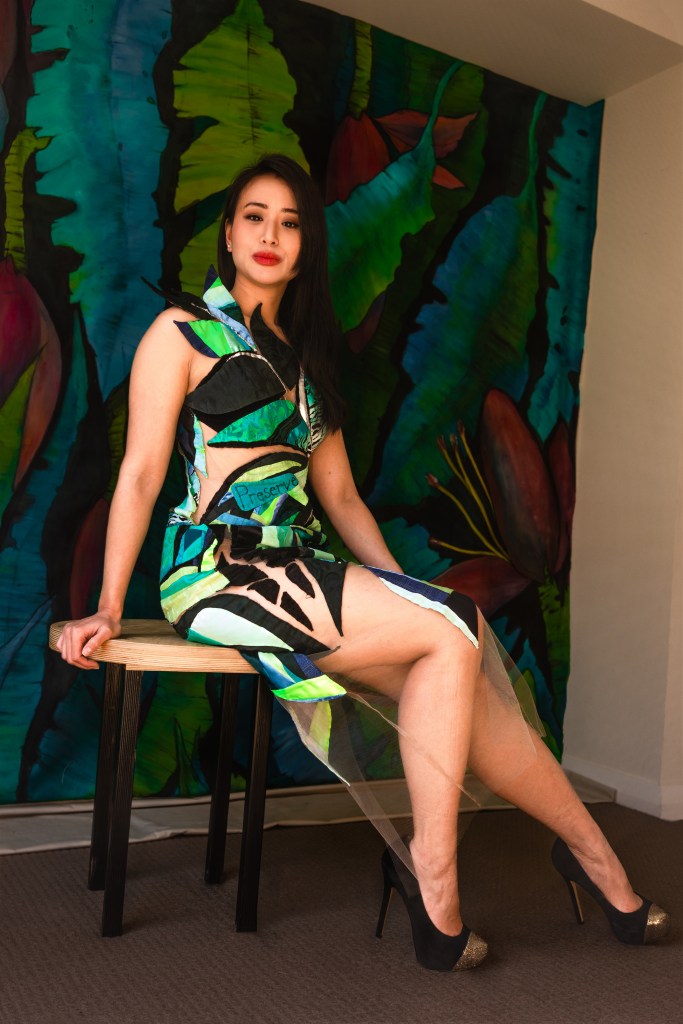
“Our plight of struggle is our gold.”
But growing up, we always try to escape that or create an image that’s something else. But I think we should invest time trying to be the opposite.
DAM: Would you say that’s what keeps you going? How do you manage all the many different things that you’re doing?
MT: In the early days it was very hard because there’s only one of me, right? And then as I got further into my career, like probably I would say 10 years before, I realised, oh, if I meet people and if I inspire them or if I run things, where we gather, we train, we teach each other, we move each other to keep on creating, it lessens the workload for me. And I’m good at creating networks where I listen to people. I figure out what are some of their internal struggles and what they’re struggling with and help them manage it for them to really focus and get that next task done. The world will see the output that you put out. They won’t see your internal struggles. That’s up to you. That’s your right. But we just need people to be around us and go, yeah, that’s normal.
So I’m very good at that and I do it with people in Vietnam, in America, here I do it with artists and people in corporate and now politics.
DAM: Well before we end, we’d love for you to tell us about Echo 8! What’s been happening with it?
MT: So ‘Echo 8‘ is a collaboration between my sister Elizabeth H Vu and my husband Takashi Hara, it’s like just put it in the family, you know as Asians! [laughs] I think in 2019 I was telling Elizabeth, ‘Hey, wanna make another short film?’ and she’s like, ‘Maria, how many short films are you gonna do? You’ve done like 2-3 dozen, it’s time to step up’. I’m like, ‘How dare you! Who’s gonna write the script?’ We started egging each other, it’s sisters you know? So she ended up writing this script, October it was done and I think November was pre production then we started shooting in January. In total it was about a 14 day shoot. And we did it for like $10,000. So very low budget, no one can believe it globally.
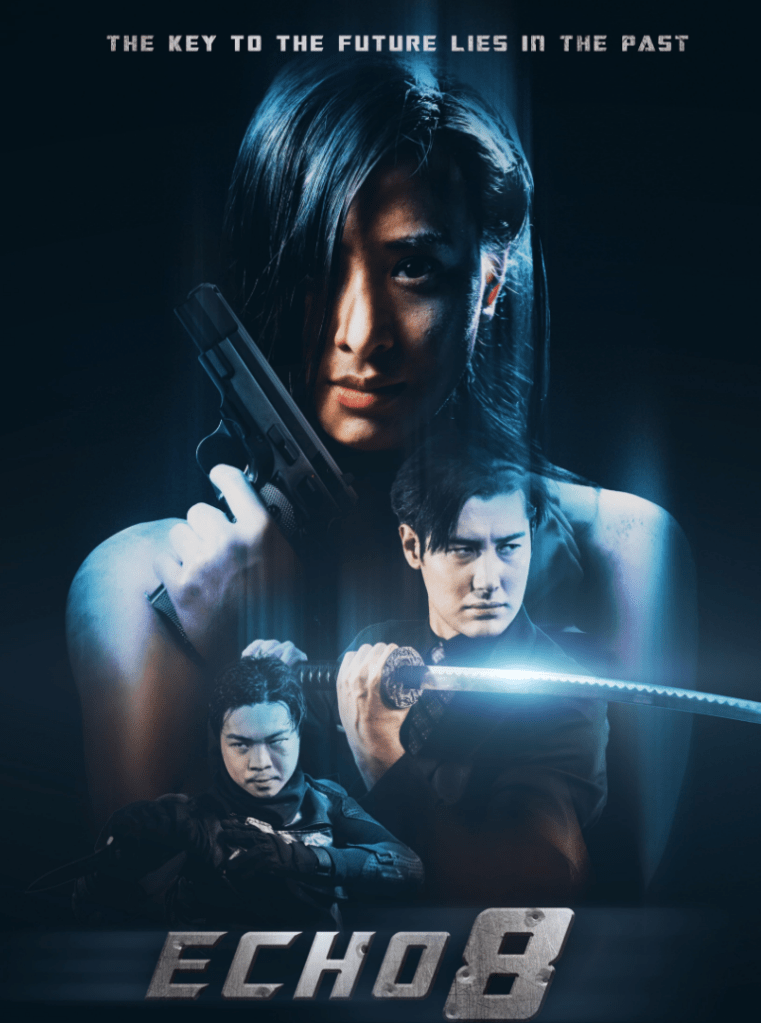
As a filmmaker, I felt like I stepped up heaps more because now I know I can do things for low budget, I can do things very quick. I don’t know any other production that has done an action film with so many fight scenes and has drama. People watch it for the action but then they end up crying [laughs]. It hits too close to home. But this is what we need, we need community healing.
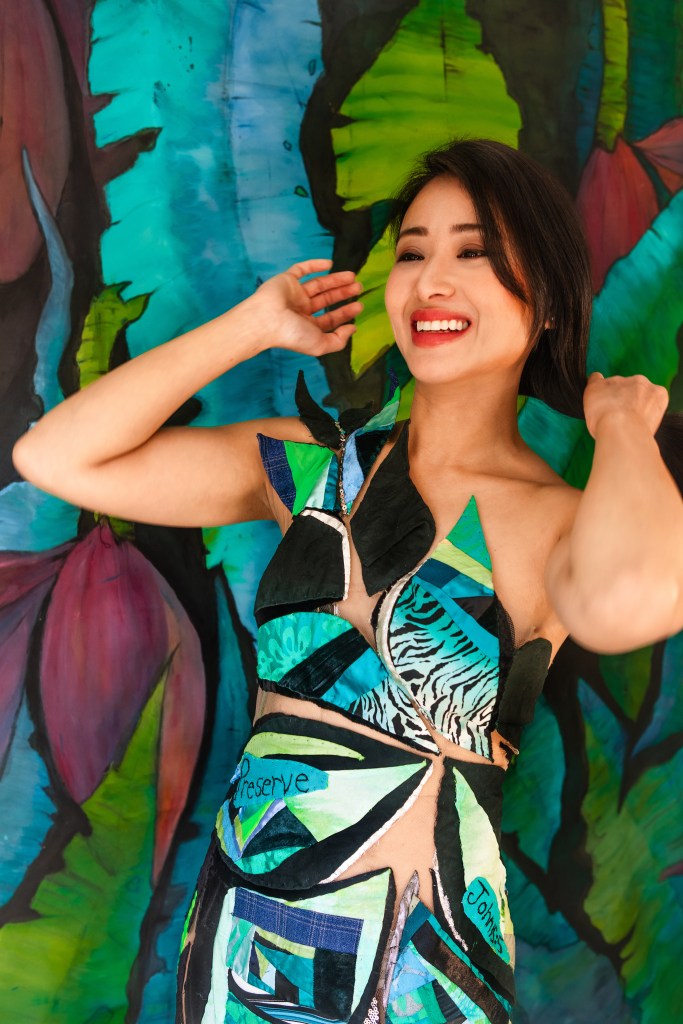
“People watch it (Echo 8) for the action but then they end up crying. [laughs] It hits too close to home. But this is what we need, we need community healing.”
So it’s basically a mother daughter story, which is very endearing. Set in the underbelly of Western Sydney. It did really well internationally. In Australia though it’s strange because once you pigeonhole something in a particular genre, they hate it, right? They would love it if you made a movie like a kitchen sink drama between mother and daughter at the kitchen sink for 90 minutes or something talking or maybe you drive into the Bush with drone shots of the wilderness – they love that. But this is the Tik Tok generation. We ain’t gonna sit here watch the Outback you know like, but that’s that’s the feel sometimes of Australia.
DAM: Do you have any words of advice for anyone getting into Acting or wanting to start creating their own opportunities?
MT: A lot of people tell me, it’s so hard in the industry. I’m not getting the opportunity to make – no, don’t wait for opportunity, it almost never happens, go bash down the door.
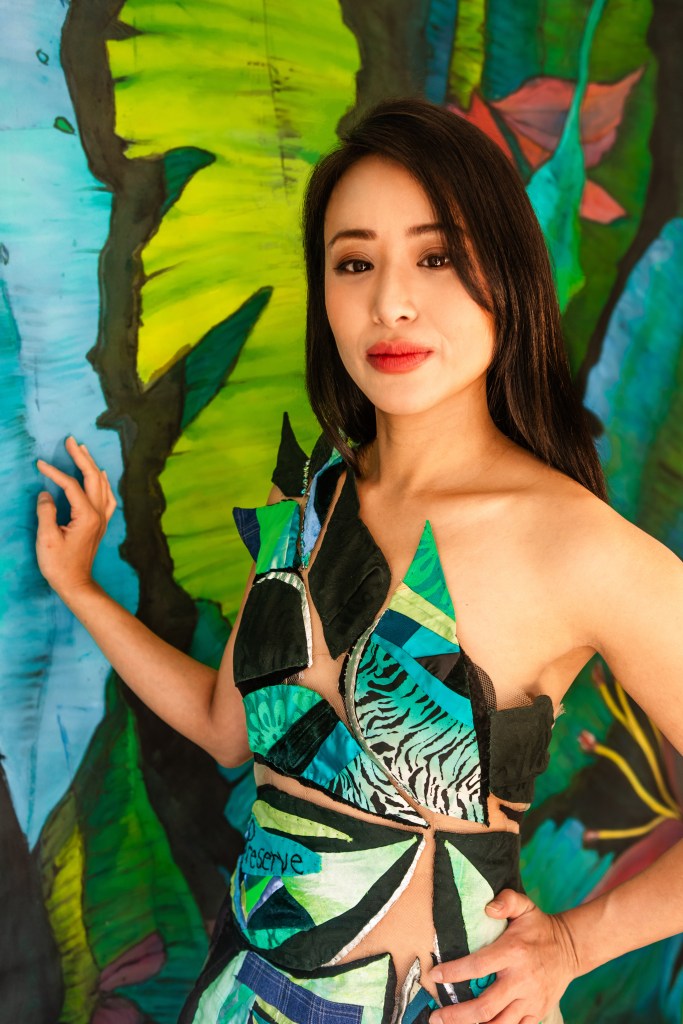
“Don’t wait for opportunity, it almost never happens, go bash down the door.”
Most of the opportunities that come to me are because people have heard my name so much. So that’s just how it is. You just have to keep on making big things, small things. You sometimes have to work in difficult situations where you know it’s completely whitewashed and you’re the Ethnic coming in with a big tick on your head. And you have to be able to kind of go, OK, I know this is not a very comfortable situation. I know I’m not valued for my full potential. But I need to go into the system and figure out what’s going on in here so that when I get outside, I can then congregate with all my collective.
A lot of my comedy stuff comes from that, like one time this lady came to me and she’s like ‘It’s really interesting how you’re like in two cultures and then you’re also like Australian, it’s so fascinating’. And in my head I’m like imagine if I was to say something similar back? I always have these scenarios that could be maybe like TV writing material one day or something, right? So every weird awkward situation could always be an opportunity to mine for your artistic stories that you want to create later down the track.
DAM: Thank you Maria for taking the time to sit down with us today, it’s been great.
MT: Thank you.
.
.
.
Find more on Maria & her work here:
Website: https://www.mariatran.co/
Instagram: https://www.instagram.com/mariatran.co/
Linktr.ee: https://linktr.ee/maria.tran/
Echo 8: https://www.echo8movie.com/
Company site: https://www.phoenixeye.com.au/
.
Published by Sangeetha Gowda & Marshall-Weishuai Yuan
Outfit/Styling by LakshmiBee
Photography by NOAH Creative
 Diversity Australia Magazine