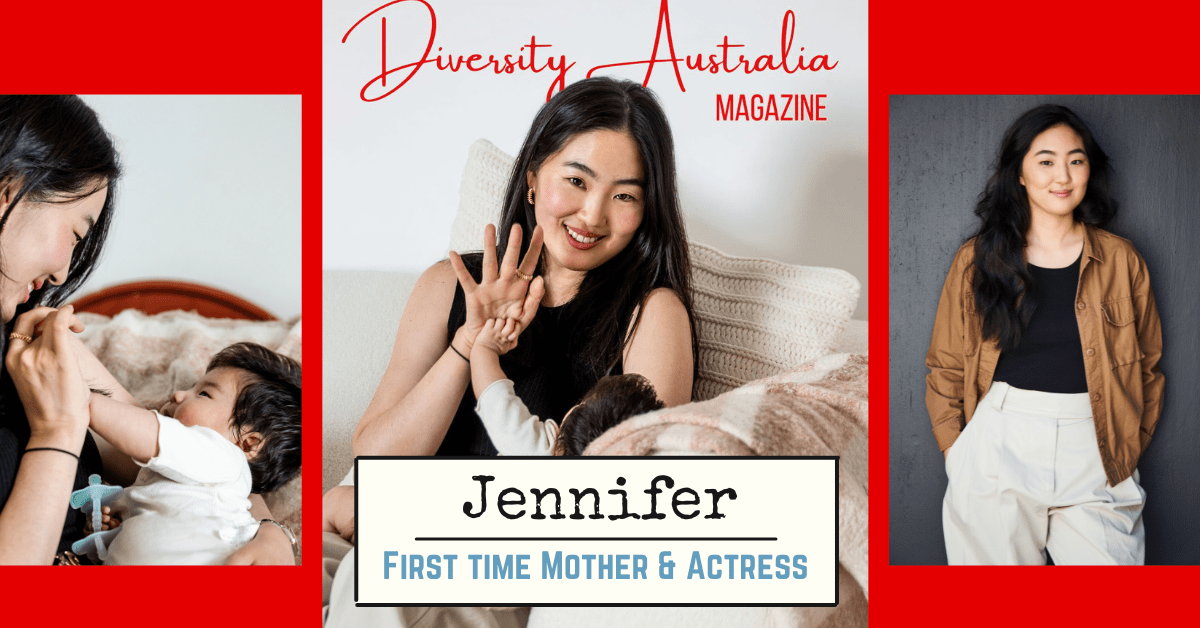
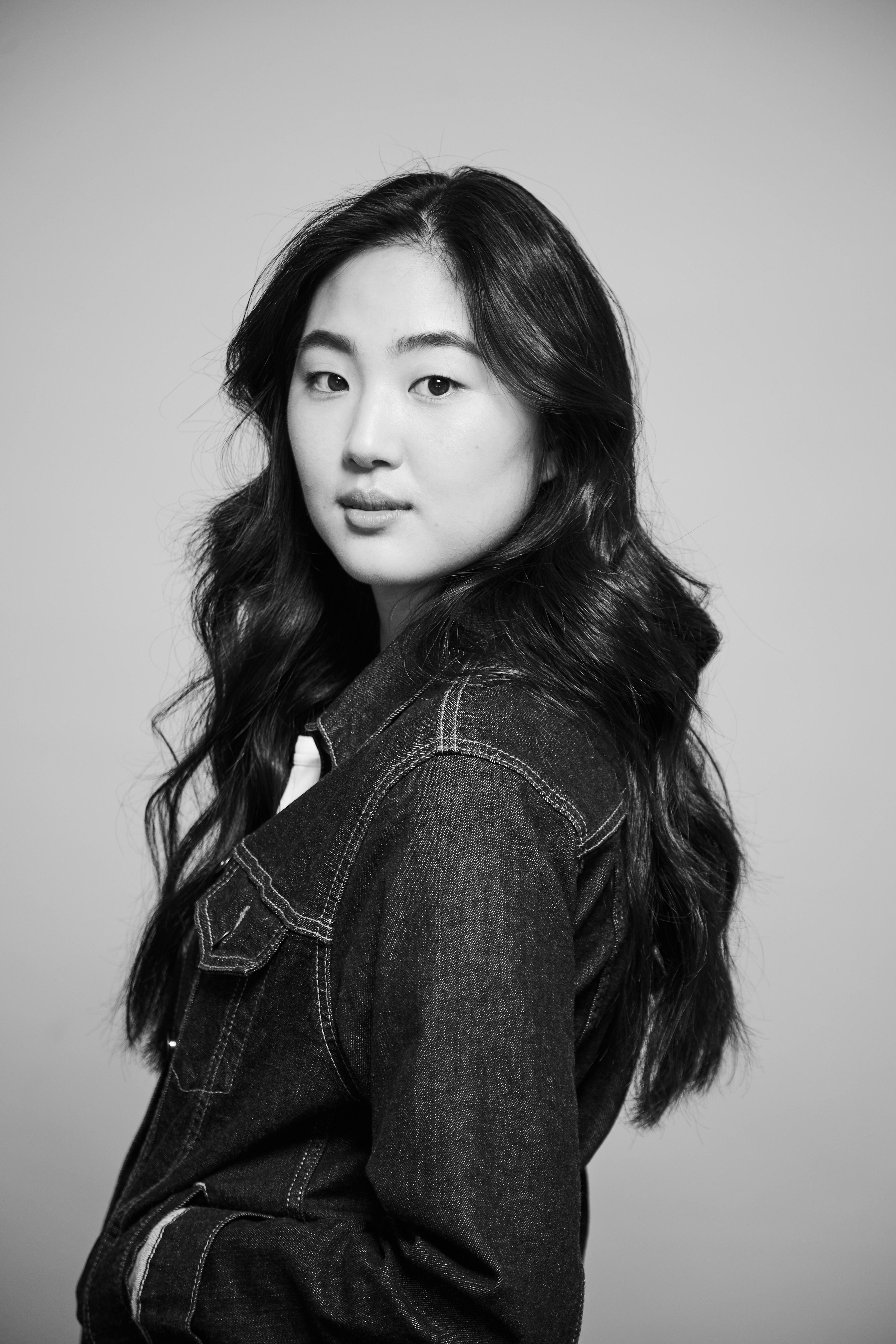
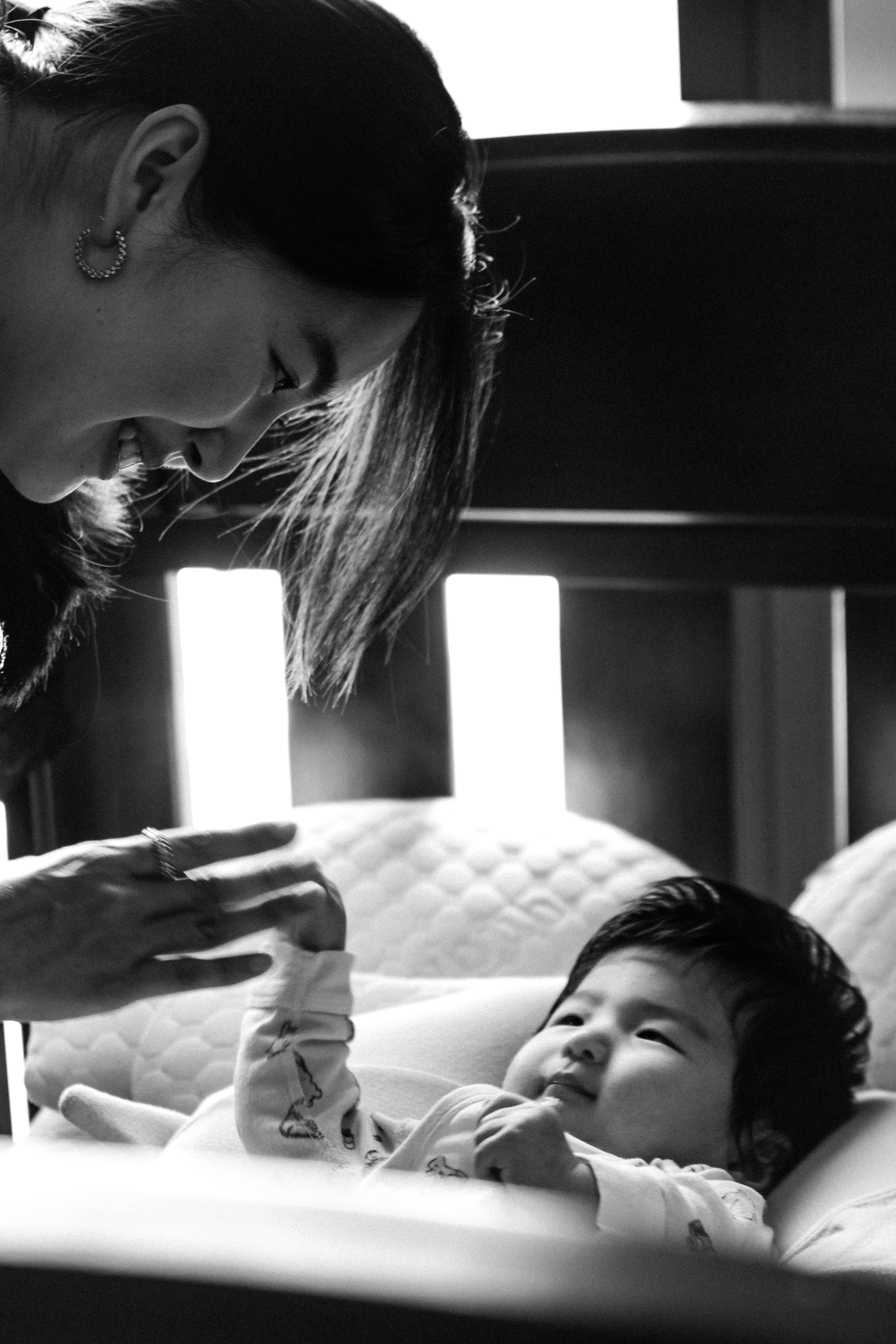
DAM: Today we sit down with Actor and first time mother – Jennifer Soo Han Yoo (whose Korean name means to live wide and deep like the ocean). Having known Jennifer previously, it’s interesting to now be interviewing her – as new baby Henry sits calmly on her lap. A new chapter of life, yet one Jennifer seems to immerse herself in like second nature. We speak on how Jennifer’s identity was shaped living between Australia and Korea, what motherhood has been for her so far, and her journey through musical theatre into screen Acting.
DAM: Jennifer, tell us a bit about your upbringing, where did you grow up?
JSY: I was born in Seoul, South Korea. I came to Australia when I was four years old, with my younger sister. I’ve lived in Sydney ever since, when I was in Year 8, our whole family went back to Korea for two years. We lived in a city called Jeonju where we went to a mainstream public school. We got to experience how maybe I would’ve grown up, had we not moved to Sydney.
Growing up, I had really strict parents. My curfew was about four or five pm. So my nickname was Cinderella because I had to go home before the sun set. In summer time it was a little better, eight.
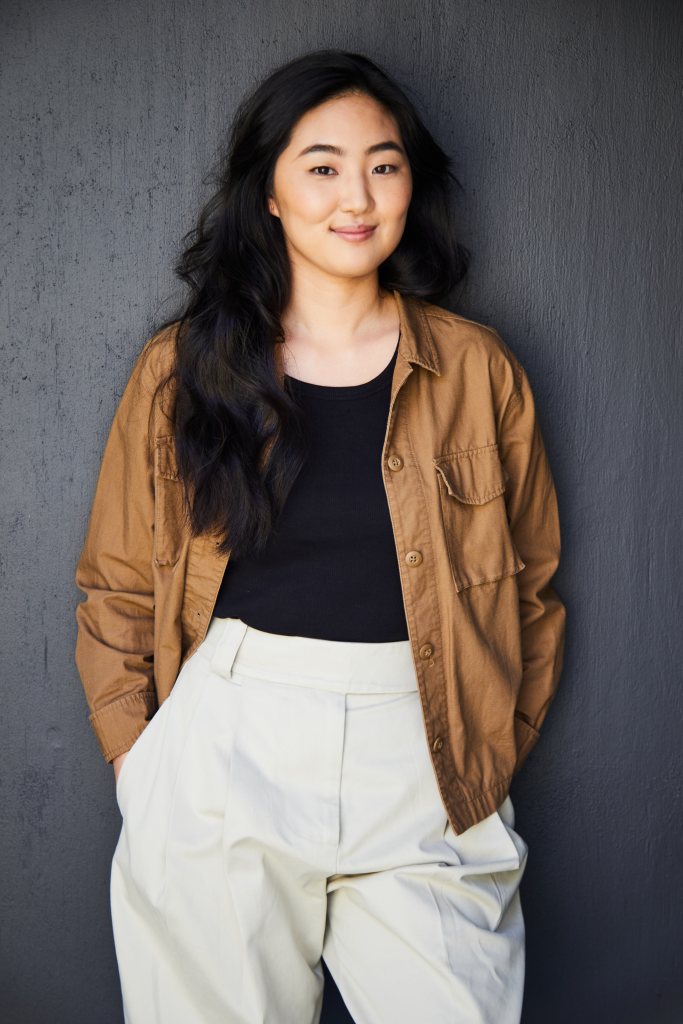
“My nickname was Cinderella because I had to go home before the sun set.”
JSY: I think a lot of it came from my parents wanting the best for us, given their tough experiences growing up. Because it’s not that long since Korea had been out of war, a lot of immigrants come overseas to sort of get out of generational trauma.
They’ve both worked so hard to give us opportunities that they never had, and I think that’s why they were so protective of us. Even though it was tough, I always knew and appreciated that everything they were doing was for us.
DAM: And how did your parents end up meeting?
JSY: My dad was studying in Japan. Korea and Japan have a love-hate relationship because they have a rich history of war and colonialism and stuff like that. But ironically at that time, my dad studied in Japan and came back and met my mum at a nightclub. It was an after party for his best mate’s wedding. My dad felt it was love at first sight, and then they got married and had me and my sister, then came to Australia and had my two brothers.
DAM: What prompted the move to Australia?
JSY: My dad majored in tourism. So the hotel that he worked for wanted him to go and study in Australia to learn English for six months and come back. But then it’s quite random how he decided to stay in Australia. He bought a 1950s Volkswagen Beetle, which he still has till now, and I don’t know why [he bought it], because he was only gonna be here for six months. Sadly, his car broke down on the M4, and a stranger just pulled up and helped him and he thought to himself, ‘if this is a country where a stranger can come and help like this, I want to raise my children in this country.’ A few months later, our whole family came to Sydney, and the rest is history.

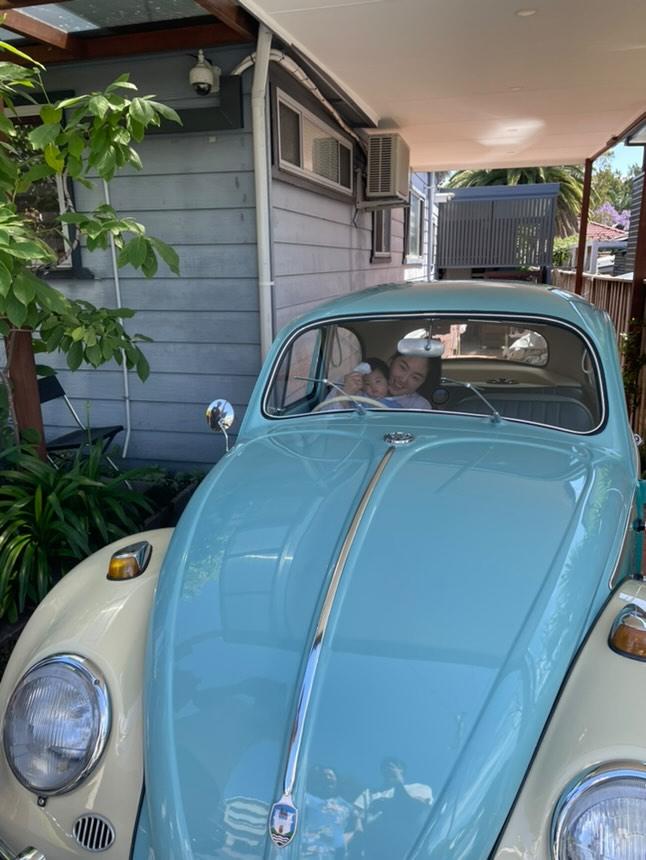
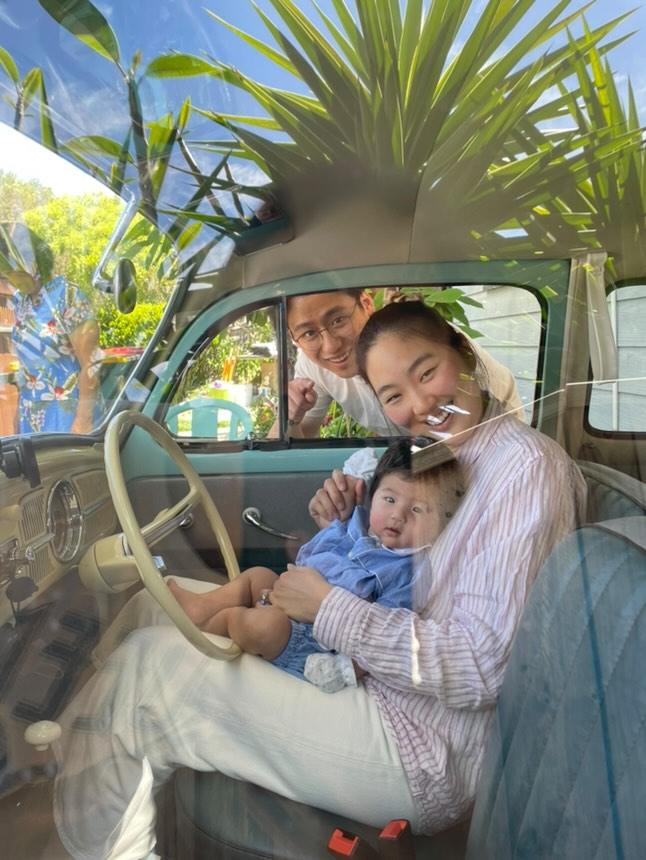
“His car broke down in the middle of the M4, and a stranger just pulled up and helped him and he thought to himself, ‘if a stranger can come and help me in a country like this, I want to raise my children in this country.’“
DAM: That’s a beautiful sentiment. So you came to Australia when you were four and then you went back to Korea for two years during high school. Do you think it had an effect on how you see yourself and your identity? Particularly in regards to being Australian?
JSY: Yes, definitely I now see myself as a Korean-Australian. When I first came to Australia, as mentioned earlier, my parents were quite strict. I had to go to Korean school every Saturday. We had a rule that inside the house we were not allowed to speak a word of English, only Korean. So thankfully I never really struggled to speak Korean. And even at that time in Australia, our culture wasn’t that popular. So my mum would pack me Korean food for my lunch box, and my friends would be like, ‘what’s that stinky thing’? , ‘why do you have kimchi’ and all that kind of stuff. So yeah, I thought I was very Korean. But when we moved to Korea, it was an eye opening experience. It made me realise I was also Australian.
My first impression of the first day at a mainstream Korean middle school was quite hilarious. I came home and told my siblings, ‘they look all the same? They have glasses, and a bang ( fringe) and they’re all shorter than me’. Because Koreans in Korea spoke the same language, I thought we’d be similar, but how we thought about things was different. It made me appreciate and realise Australia has brought a lot of freedom and creativity in my being.
In Korea, other than the individual’s thought, making a decision as a collective is very important. The education system reflects this, it doesn’t matter which state or city you go to school, even the layout and interior of the schools look the same. In Australia you have freedom to think and express creatively and people respect that. But Korean education is very disciplined. There was less room to think independently. When I went to school, if you didn’t come to school on time, you would get hit. It was a bit of a shock for me because I never experienced this in Australia. If I’m late, even by a few minutes they would close the school gate, and the remaining students had to run around the oval like ten times. They have a teacher called Hahk Ju 학주 who stood in front of the school, responsible in making sure that all the students are following school rules – they’re not late, their skirts are not worn short..etc.

“In Australia you have freedom to think and express creatively and people respect that. But Korean education is very disciplined.”
When I started going to middle school (yrs 7-9) students would often come to my classroom and ask me to speak English. A friend called Daehoon who we’re good friends till now, started to recite a monologue in his english text book about 5 mosquitos… It was quite random. Just speaking any English words they knew. They probably found me interesting because everyone only speaks Korean in the classroom.
Whilst I was there, I missed Sydney a lot. I missed my friends, my school, and just the vibe of the city. I missed going to tuesday swimming classes, and giving into my dad’s bribe for $2 hot chips if I dived into the pool, dinner at KFC on the ride back home, how we used to build little cubby houses with all the blankets and chairs with all the furniture and how we would get into trouble making a mess, fighting bees that came into our house and how I would teach my siblings to use the vacuum cleaner to suction them all in. I really started to appreciate the lifestyle and things I took for granted. I would often go on Google Maps and zoom in on my old home. That made me realise how much I felt connected to Australia, and since then, I’ve definitely identified more as an Australian Korean.
DAM: It ‘s so true with that because it’s even with acting, I remember my dad used to say or even other people – why don’t you to China and try it out? And I would always say, I look Chinese but my my brain is not Chinese. If I go there and go into the industry, people will not understand how I think. And I think it’s only taken him until now, that he finally realised this. It’s that thing that – the identity is always Australian. It sticks out. You stick out when you go.
JSY: Yeah, yeah, for sure. Like they just, I don’t know how, but they just know. Because I thought everyone in Korea thought the way I thought, but when I went to Korea they found my views unexpectedly different and funny. My Korean friends would say, ‘ohh, how did you think like that?’ And I thought to myself, ‘I thought it was obvious’, maybe because I was raised to speak out my thoughts, I’m creative in my own way, that’s like, not the same as Koreans here, not taught.
DAM: So where does acting fit into this? Like when was the moment within all this that, you know, you decided I want to give that a try?
JSY: When I was in year 3, I was casted in a big commercial for a banking company called Woori Bank with a very famous celebrity known as Won Bin from Korea. The commercial was shot in Sydney University before the jacaranda tree was rooted out. That’s when I started to enjoy being in front of the camera. I found myself as a yr 3 kid always singing and dancing in front of the bathroom mirror before and after showers butt naked at home –
DAM: Hahaha!
JSY: [laughs] – After that I had a few more casting opportunities for a korean apartment commercial. Casting asked me to sing and show me some party tricks as part of the audition process. But I was so shy and I wasn’t able to, then the other girl who was braver than me got the commercial and I remember feeling so upset at myself. And that was the first time I was like, I actually like being in front of the camera. I loved seeing my parents so happy and proud of me. It wasn’t until I returned from Korea at the end of Year 9 that I considered pursuing music, let alone acting. Before that, I had always dreamed of becoming an international interpreter. The reason for this was rooted in my childhood. My mum was a competitive cyclist, and because of her involvement with the Korean national team, we often hosted Olympic athletes at our house. From the age of six, I became the unofficial “baby interpreter.” I’d help translate for the athletes, and assist my parents with any language barriers. It felt natural at the time, and I thought to myself, “This is what I want to do when I grow up—I want to become an interpreter.”

“From the age of six, I became the unofficial “baby interpreter.” I’d help translate for the athletes, and assist my parents with any language barriers.”
However, when I went to Korea, my dream started to shift. I realised that, in order to pursue my HSC and keep up with my studies, I needed to be fluent in both English and Korean and another language. The problem was, after spending so much time in Korea, I returned home and found that I had forgotten much of my English, as I had only been speaking Korean. That’s when I realised I needed to rethink my future and find a more practical career path.
DAM: So is that the point you thought about Acting as a serious profession?
JSY: Well, when I came back to Australia, I always had talent for music—it just came naturally to me. So, I figured, I’d become a high school music teacher. I used to practise piano for 10 hours a day in yr 11 and 12, that my younger sis memorised the whole music. The white keys on the piano also turned blue. Thought it was the only practical way I could go to university, so I just did my best. So praise God, I got into a music degree! but then one day, I watched The Lion King on YouTube, and I started crying. I was like, ‘how could a lion make me feel this way?!‘
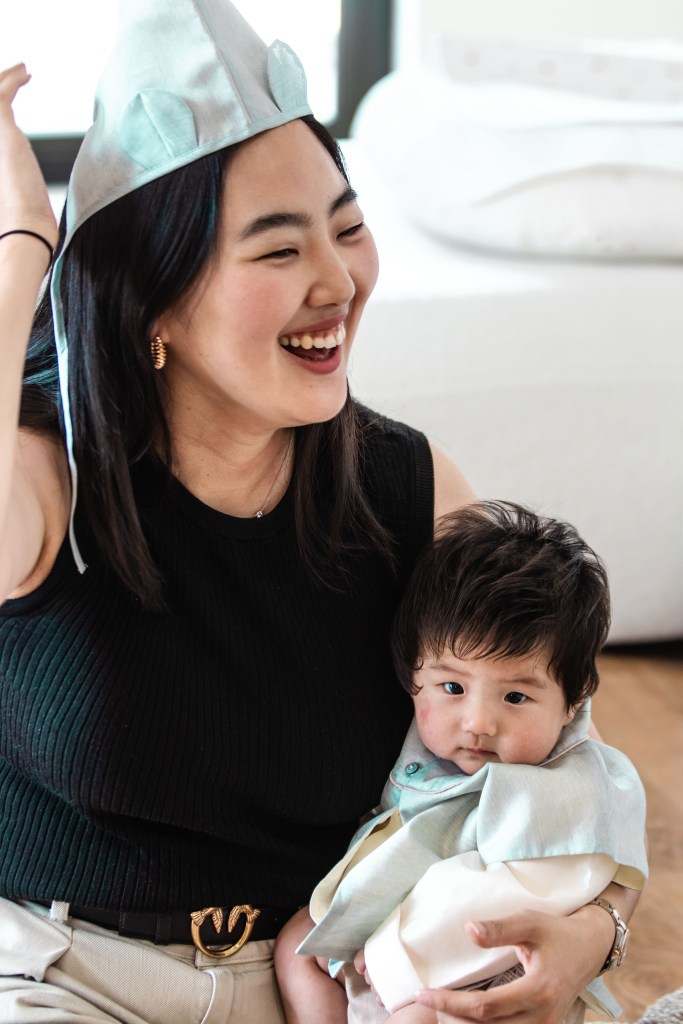
“I watched Lion King on YouTube and I started crying because I was like, how could a lion make me feel this way?! “
Even watching the lion king musical was amazing, I still remember when all the animals from behind the theatre was coming to the stage, I felt like a kid again in awe of humans trying to be animals. So that’s when I decided to audition for a musical theatre course… Without telling my parents.
I got in, but even then, I didn’t see myself as an actor. That was not the plan. I wanted to be a director. I’ve always been drawn to the idea of creating and telling stories, so I thought, maybe if I get into musical theatre, I can do that. But when I started the course, everyone around me was so competitive, and the program kind of pushed you to focus more on performing. I ended up enjoying it more than I expected. I wasn’t great at dancing, and I think my strength was voice, but musical theatre acting is a whole different skill set. I started thinking, maybe this isn’t really my thing. Maybe I’m better suited to screen acting. It wasn’t until after I graduated with my bachelor’s degree that I actually started considering acting as a career. That’s when it started to feel like a real possibility.
DAM: So you said you hid the fact that you applied for that course from your parents. I’m guessing they know about everything now. How did that go?
JSY: Yeah, I didn’t tell them because I knew my mum would definitely say no, and my dad probably would too. I didn’t want to tell my parents I was going to do this without a solid plan. My plan was to tell them, “I want to study a degree in music and musical theatre so I can become a teacher,” you know? But the thing is, I know how hard my dad works with his hands. I didn’t want to add any more stress on him, to help me financially. So I kept it from them until I was sure I was going to get in.
I was always known as the Happy virus of the family. Whilst I was studying the course, they sat me down multiple times and said, “You’re changing in a way that feels… strange.” It was tough because, at home, I was used to being told what to do. Disciplinary.

“Whilst I was studying musical theatre, my parents sat me down multiple times and said, “You’re changing in a way that feels… strange.” “
But then, I’d go to uni, and everyone was so free-spirited—people were singing everywhere, and I just couldn’t relate. It was hard for me to connect with my peers because I was so restricted in what I could do. Honestly, I ended up moving out for about six months just to have the freedom to figure out who I was as a person.
I don’t regret studying musical theatre, though. It helped me figure out who I am as a person. I think in acting and the arts, you can only truly be good at it if you know yourself first. It was a challenging journey, but it helped me understand myself better. That said, it was a very expensive course.

“I think with acting and the arts industry, you can only really be good at it if you know yourself.”
DAM: Absolutely. But that’s life, I think it makes us who we are, the choices we make. Every little thing leads up to who we are now.
JSY: Yeah, definitely.
DAM: Well, now that you’ve been doing Acting for a few years, has your thought of it or your idea of it changed since the start as opposed to now? Particularly in regards to representation and casting?
JSY: when I first started acting, I felt like there were a lot of opportunities coming my way, but they weren’t exactly the roles I wanted. For example, with commercials, I’d often be cast as the “typical Asian girl” – like, “Oh, she can do a bubble tea commercial.” They made me look much tanner than I actually am. I don’t even look Korean in those ads. I also felt like there weren’t many auditions for someone like me, especially in the early days.
Now, though, there are more auditions specifically looking for Korean Australian actors, which is a huge shift from when I started back in 2018. It’s definitely a positive change. In the beginning, there weren’t many people I could turn to who were in a similar position, so I didn’t even know how to find an agent. It actually took me four or five years to figure that out. But now, I can definitely see that there are more opportunities for people like me, and the path seems a lot clearer.
DAM: That are less stereotypical?
JSY: Yeah, there used to be moments where they’d ask me, “Can you speak Chinese?” and I’d have to explain, “I’m not Chinese.” It was frustrating because it felt like they were just grouping me into one category. But honestly, I also don’t think I was ready for those opportunities at the time. It took me a while, and some time away from acting, to really appreciate the journey and understand the industry better.
I think acting is like peeling an onion—there are so many layers to it. I’ve come to realise that you really have to live life and experience different things to get better at acting. It’s not just about technique; it’s about depth, perspective, and understanding yourself, which takes time.
DAM: I think you’re right on the money with that. Well, let’s talk about this star now.
JSY: Henry!
DAM: How’s he holding up?
JSY: Yeah he’s a really calm boy. He’s like his dad.
DAM: Who do you think he looks more like?
JSY: I think he looks a bit more like Brian [Jennifer’s husband]. He has a dimple where Brian has and smiles the same, but he’s very calm like his dad definitely not me. [laughs]
DAM: Hahaha!
JSY: We decided to name him Ra On (라온), which is a pure Korean word meaning joy. We chose this name because I believe he’ll bring happiness to many people, and we want that joy to be reflected in his name. At first, I thought about just calling him Ra On without an English name, but then I hesitated. Even though Australia has come a long way in embracing different cultures, I still feel like, to some extent, having an English name can help him fit in better. Henry means Estate owner, which is great with the housing crisis here!
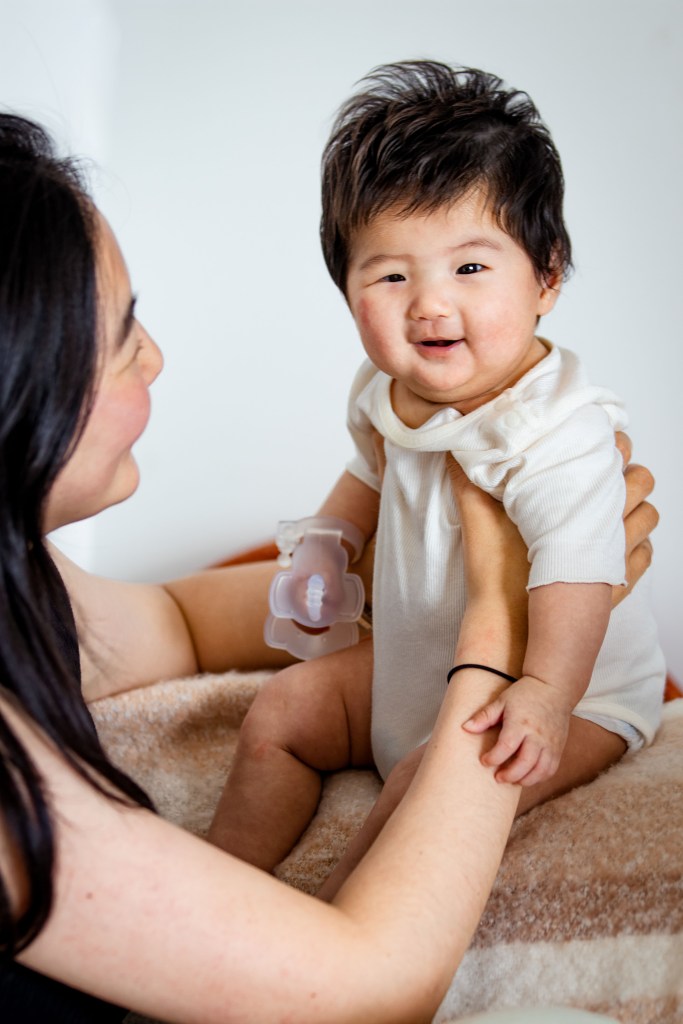
“We decided to name him Ra On (라온), which is a pure Korean word meaning joy. We chose this name because I believe he’ll bring happiness to many people.”
DAM: Has motherhood been what you imagined it would be?
JSY: I feel like I’ve officially entered a new season in my life after having Henry. It’s kind of like when a baby goes from not being able to talk to suddenly walking—it’s a big shift, and everything feels different. I find myself seeing things in a new light. For example, when I think back on things my mum said to me, I can finally understand what she meant. It’s like all these little realisations about life keep popping up, and they even affect my acting.
I used to watch K-dramas, and when characters would say things like, “Don’t ever come back home, I hate you!” or “I never want to see your face again!”, I’d think, maybe they really mean it. But now, as a mum, I watch those scenes and think, “No way. A mother could never mean that!” [laughs] It’s been eye-opening to have those kinds of realisations about life.

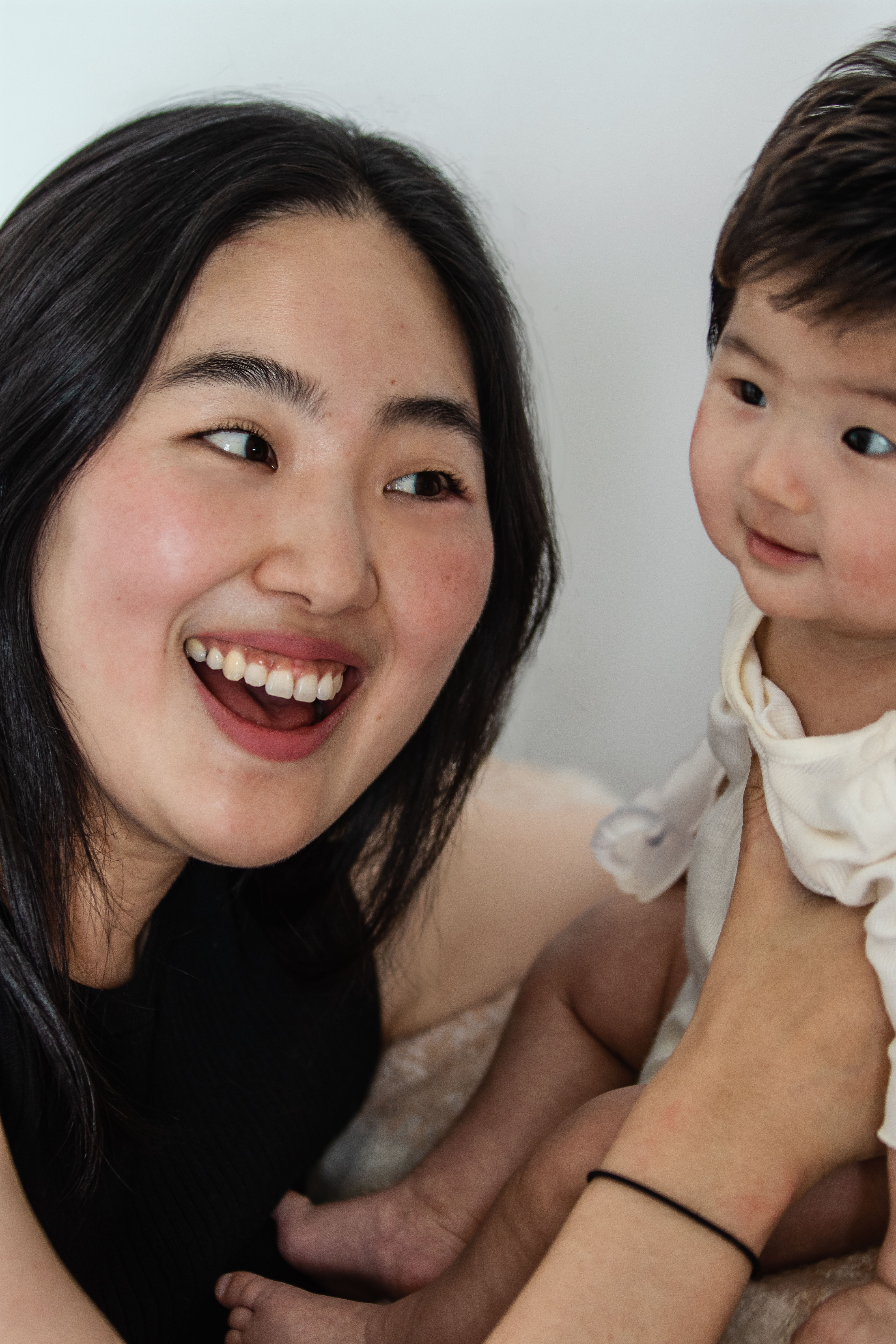
“When I watched dramas or K dramas – and the characters are like, ‘don’t come back home, I hate you’… I’d think, maybe they really mean it. But now, as a mum, I watch those scenes and think, “No way. A mother could never mean that!”.”
Motherhood has been amazing. I love being a mum. I remember saying the same thing when I got married—I love being married, and I love being a mum. But it’s also challenging. The biggest challenge is learning how to juggle everything and manage my time well. I don’t want to be the kind of mum who makes excuses because I have a baby. So, I’ve become more responsible, and even though I could use Henry as an excuse, I want to keep pushing myself to be better—for him. I want him to be proud of me.
Having Henry has made me work harder and be more intentional with how I spend my time. There’s really no minute in my day that goes to waste. I wake up at 6 AM and try to make the most of every moment. He’s definitely helped me become more efficient with my time.
It’s all about perspective. Yes, life can be busy, and I have a lot on my plate, but when people ask me, “How do you go to auditions with a newborn?” I remind myself that it’s all possible if I change how I think. Every day, we wake up, have breakfast, and take care of ourselves. Looking after Henry and balancing everything else is just about shifting my mindset.
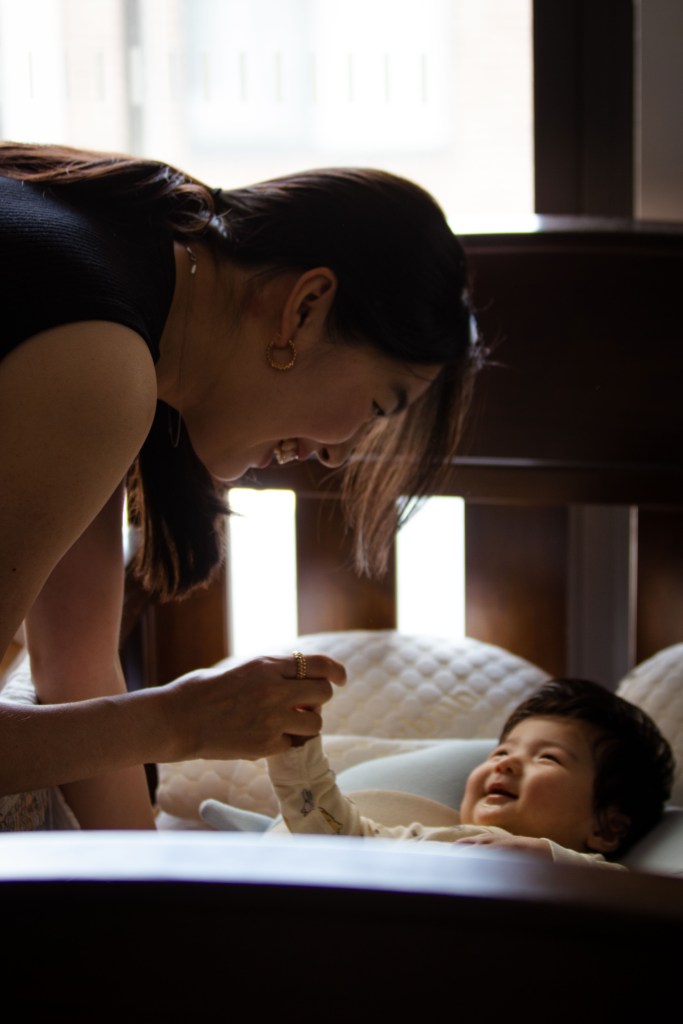
DAM: Going on with what you said, and the idea of people asking – well how do you act and have a child… I think a lot of people actually are in these mindsets because they wanna have a family and they wanna have their dream. What would you say to people who feel like they have to choose one or the other?
JSY: I think a lot of Actors don’t get married or delay having children because of this reason. But I really think if you change your perspective and your mindset – everything is really possible. You can always make things work, it’s just compromise. Like for me, it’s like – am I gonna go to a fine dining restaurant and have really nice food, very nice clothes? Or is it gonna be – peanut butter on sourdough at home with someone that you love. That’s the difference at the end of the day. So my advice for people out there or aspiring Actors – thinking of having a family and juggling, it’s more like, don’t think too much about it. I think you have to live life to be able to tell stories. And one thing that I will always tell myself is, if I only have today to live, what kind of choices would I make? Would I still be living with my husband and living my life like this? And if it’s yes, then I think I’m making the right choice.

“Am I gonna go to a fine dining restaurant and have really nice food, very nice clothes? Or is it gonna be – peanut butter on sourdough at home with someone that you love… One thing I always tell myself is, if I only have today to live, what kind of choices would I make? Would I still be living with my husband and living my life like this? If it’s yes, then I think I’m making the right choice.”
.
.
Jennifer on IG: https://www.instagram.com/jenyoo94/
Photos by NOAH Creative & Sally Flegg
.
Published by Sangeetha Gowda & Marshall-Weishuai Yuan ~
Support DAM & make a donation: https://buymeacoffee.com/diversityaustralia
 Diversity Australia Magazine