
DAM: We first met Artist, Kai Paynter, a decade ago. Taught by Kai at different times, we were both aspiring Actors trying desperately to learn how to perfect our American Accents. Kai came into class oozing with an effortless confidence – and ready to get us not only sounding like an American, but acting and thinking like one too. Kai now helms BearTiger Productions alongside her partner Kirk Hastings, which they co-founded together, and she is also the Founder of Australia’s first American-led theatre company, The Americas. Since inception, they have put on multiple shows in Sydney including; A Behanding in Spokane, All the Ways to Say I Love You, Amongst the Living, The Money Shot, When She Loves Me, This is L-O-V-E, No Direction Home, Megan, L-O-V-E, Brave People – and their latest ‘If I Needed Someone’, written by Neil LaBute, premiering Dec 3-7, at The Living Room.
In this conversation, we speak candidly with Kai on her American upbringing, being multi-talented from a young age, meeting Kirk, how her mother helped inspire the creation of BearTiger Productions, as well as finding connection and leading with authenticity through The Americas theatre co.
DAM: Kai, where would you say your passion for the arts began?
KP: It started when I was a kid, I always liked to sing. My dad was a pastor, so at a very young age, my parents stuck me in the choir. “What do we do with the kid who won’t shut up and sings all the time? Put her in the choir.” So that’s where it began, at five or six years old.
I was different from my parents but much like them in many ways – loud, opinionated, and very strong. I had very clear ideas about myself at that age, and that certainly didn’t come from my parents. My parents grew up in South Africa, so their culture is probably a bit closer to Australian culture – more reservation and humility, those types of things. But when I was six, I was like, ‘Yeah, no, I’ve got a big lady voice. And if you want to hear me sing, let me know. I’m here, I’m around. I’m happy to sing for you’. My parents knew that they needed to nurture that, but they didn’t know how. They were very much into education, getting a job, as most parents are, and the idea of art or seeing any of that, even at a young age, they were like, ‘no, be a doctor’.
DAM: Did you have a mentor eventually?
KP: I did, I had lots of mentors and I still have them to this day. I’m very, very lucky. I’ve had a lot of support from random people, who helped me along the way to kind of refine what I had. And my mom, I think, really stepped in once she realised it. It was an unshakeable kind of thing that I had and she got twisted up in it. Little did I know that she had all of this love for Shakespeare and the classics.
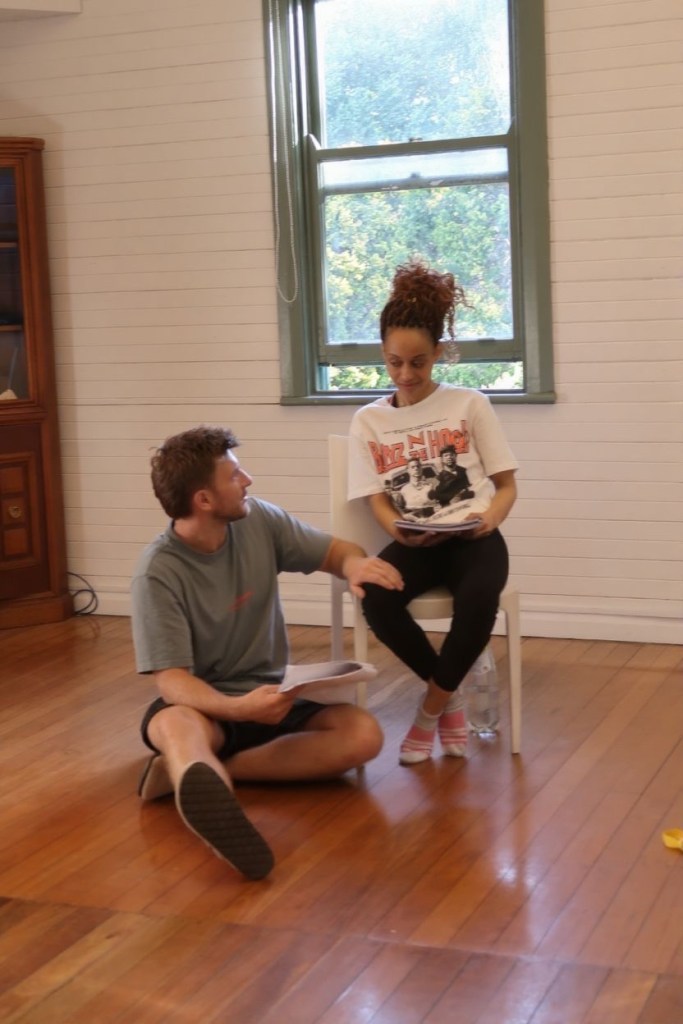
“My mom, I think, really stepped in once she realised it [Kai’s passion for the Arts]. It was an unshakeable kind of thing that I had and she got twisted up in it. Little did I know that she had all of this love for Shakespeare and the classics.“
kai paynter
DAM: Really? That must have been a surprise.
KP: Yeah, it was insane. So eventually, once she realised my big lady dreams weren’t going away, then she started to say things like, ‘Alright, let me help you’. And so she helped me, coached me until she couldn’t.
DAM: Well, moving into high school – we start to get a sense of what we might want to do when we leave. Would you say that passion for the arts carried through into you figuring out a career path at that time?
KP: Yeah, no, I was all over the place. I was ambitious and I wanted to do everything. I was a part of everything – student council to prom queen, president of my class. I did theatre, I ran track, I was curious and still am. I’ve always been a lover of life. And really curious about how things work, processes of things, how people think. I love being around people, but also I like being by myself and just kind of observing. So I really didn’t know what I wanted to be and what I wanted to do at that age.
I thought I wanted to do law, I thought I wanted to go into communications or broadcasting. I know in Australia, you have the HSC thing and you have to pick all your subjects and you know, it’s hardcore. We didn’t have to do that, there’s more freedom in high school. So, as long as I had chosen a university and as long as I got accepted, my parents were fine. I didn’t have to have a definitive answer as to what I wanted to be. I could take elective courses for the first two years of college and then figure it out and then end on something specific.
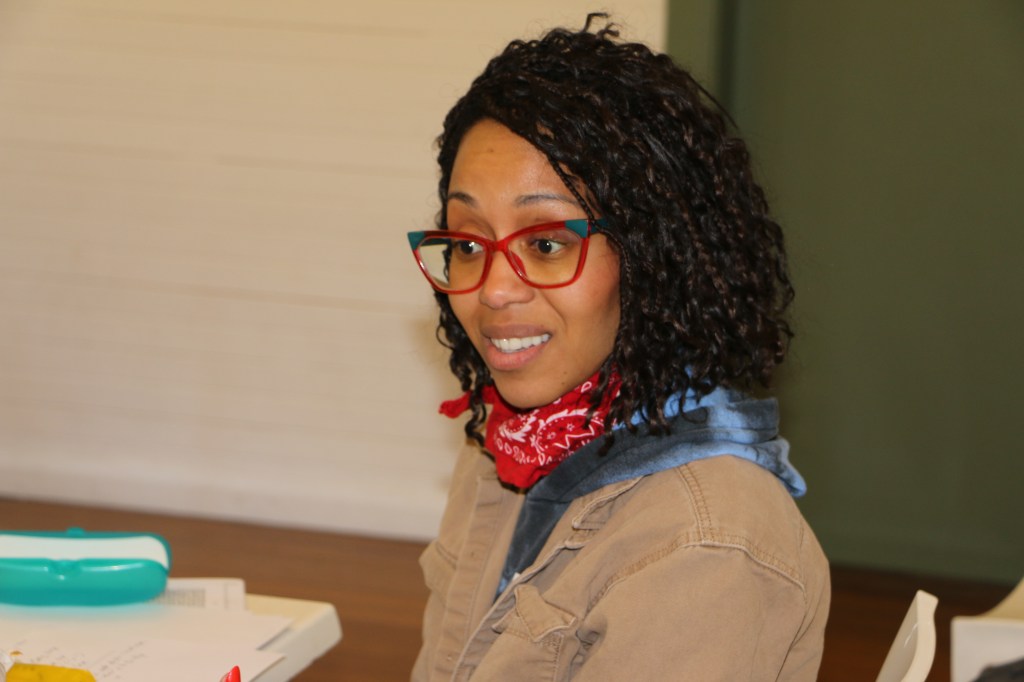
“I was ambitious and I wanted to do everything… I’ve always been a lover of life.”
kai paynter
DAM: So what would you say was the point that you finally decided the arts was going to be the thing you would end up doing ?
KP: I always, in my heart, had this dream of being a singer, since I was a kid. I remember it very vividly but the push away from it, from my parents… Yeah. I got into acting because singing seemed unattainable and something that my parents were disappointed in. They’re very traditional in that regard, and being immigrants, they had a different upbringing and they’d been through a lot. They just wanted to make sure that their kids ended up fine and strong and smart and could fend for themselves; singing or the arts wasn’t something that they were comfortable with – nor did they understand.
“I got into acting because singing seemed unattainable and something my parents were disappointed in… Being immigrants, they had a different upbringing and they just wanted to make sure that their kids ended up fine and strong and smart and could fend for themselves.”
kai paynter
KP: But they decided to allow me to perform because at least I was speaking as opposed to just singing. And they liked the idea of me sort of standing up there. They were like, ‘okay she looks confident’, so they encouraged me to audition for shows in high school. And I realised, I really liked it. But it wasn’t something that I was encouraged to keep moving forward with, even though they were proud.
I got to university, and I was doing political science with an emphasis in law and I was doing an elective course with a Canadian professor, Gordon McCall, who is still my mentor to this day. He said to me, ‘Have you ever been interested in acting?’ And I’m like, ‘Oh, yeah, I love acting. I think it’s great’. And he was like, ‘I’ve got a play coming up, it’d be cool if you auditioned’’. Gordon took me under his wing. From there I started to audition for more and more shows.
I became part of the theatre group at Purdue University. The school has an Acting MFA program where they choose a few individuals to be part of the national program that allows students to audition for the majority of the universities across the nation. I was silver-bulleted, meaning I didn’t have to go through the prelims, first and second auditions, just the big one – Juilliard, Yale, Brown, Tish and and you’re sort of just performing for them right there. It’s very surreal and very weird. So I was lucky. When I got accepted into Harvard, my parents were like, ‘Okay, you can do this. Fine’. My mentor also reminded them that I can always come back and get a law degree. But I may not be able to be an actor forever’. And it just took off from there. It felt like a movie.
“When I got accepted into Harvard, my parents were like, ‘Okay, you can do this’. My mentor reminded them I can always come back and get a law degree. But I may not be able to be an actor forever’. And it just took off from there. It felt like a movie.”
kai paynter
DAM: It really is! What led you to Australia?
KP: Well, the NYFA [New York Film Academy] Program. I knew that they were opening up that branch, and I knew they needed a bit of help, particularly in forming the movement curriculum and the structure. And at the same time, I was also talking to Kirk. We had met years prior in Los Angeles.
DAM: Speaking of Kirk, how did the two of you meet?
KP: I had just broken up with someone and I was just looking for a nice time, you know?
DAM: Oh, okay.
KP: Well, not that kind of nice time [laughs]
DAM: Hahaha!
KP: We met around my birthday and I was quite lonely. So I was looking for that kind of male attention to tell me, you know, “you look great, all of that”. And he was lovely. He was such a gentleman and we dated a few times and he acted like a really good friend as opposed to someone who was really interested in something else. I liked that. I liked that a lot. It was different. We kept in contact, and I didn’t think it would work as he wasn’t my type then… I can’t believe that’s on record! But yes, I had never seen anybody like him or seen anyone act like him, you know. That typical kind of ruggedly handsome, white Australian look is something I hadn’t seen before. That ruggedness. I had never seen a beauty like Kirk’s before in real life. I know how that might sound, but he was quite exotic to me. And so I’m like, what are you? I just assumed he was English because, you know, where the fuck is Australia? It’s on the other side of the what?
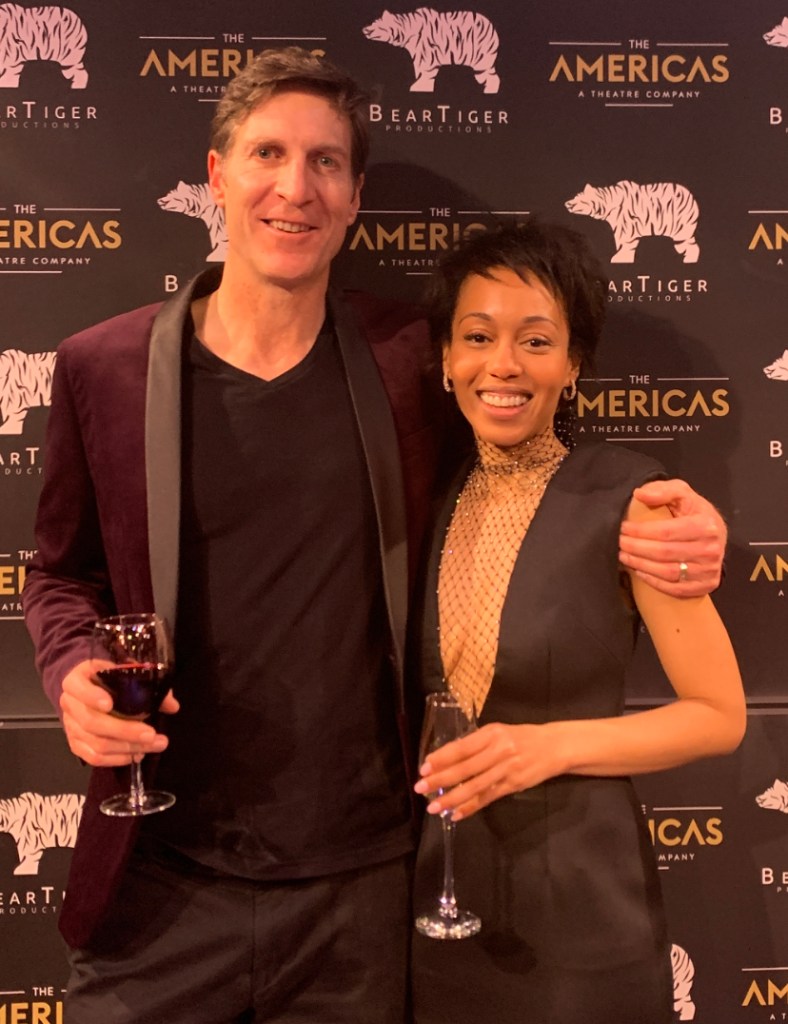
“We dated a few times and he acted like a really good friend as opposed to someone who was really interested in something else… That typical kind of ruggedly handsome, white Australian look is something I hadn’t seen before. And so I’m like, what are you? I just assumed he was English because, you know, where the fuck is Australia? It’s on the other side of the what?”
kai paynter, on meeting real life and business partner, kirk.
DAM: Yeah pretty much [laughs]
KP: I couldn’t believe that he was from there. Anyway, it was an unexpected relationship that blossomed into something. And, you know, I moved here and I was really focussed on working and teaching, and then we fell in love. And then I really couldn’t leave even after NYFA closed… And I’m like, I guess maybe I’m here for a little bit. And then a little bit became a little bit longer, and a little bit longer and then all of a sudden it’s 10 years.
DAM: Wow, time really flies. What prompted you and Kirk to start BearTiger Productions and The America’s, and move into creating and producing theatre here in Australia?
KP: BearTiger was first. And that came about because my mom passed away suddenly. And, you know, I lost my mind. There were some things that I knew my mother hadn’t accomplished. And I think one of the worst things you can do is pass away before you’ve accomplished your own dream, because it leaves your children with the burden of knowing you didn’t. I can’t explain it any better than that. And so it feels like there’s this feeling that you need to finish what they’ve done. It’s a very fucked up feeling.
DAM: Definitely.
KP: My mother always wanted to be a dancer and she ended up being a psychologist but she was truly an artist. And so I was like, oh, my God, I need to become a pop star but like how am I going to become a pop star? And I didn’t think about it, I just did it. There wasn’t any real, like, is that a good idea? At that point, I had nothing to lose. I lost my mother. And that feels like losing your past. It is a very weird feeling. Even if you don’t get along with your mom, I can’t describe that. So I just had this insatiable quest to become a pop star and the only way I thought that could happen was if I produced it myself. And that meant opening up a production company, writing my own music, finding my own resources. And that’s why BearTiger Productions started, not because of anything else except for that. And then it just kind of kept going, and then the theatre company happened. BearTiger productions is sort of the umbrella parent company to The Americas.
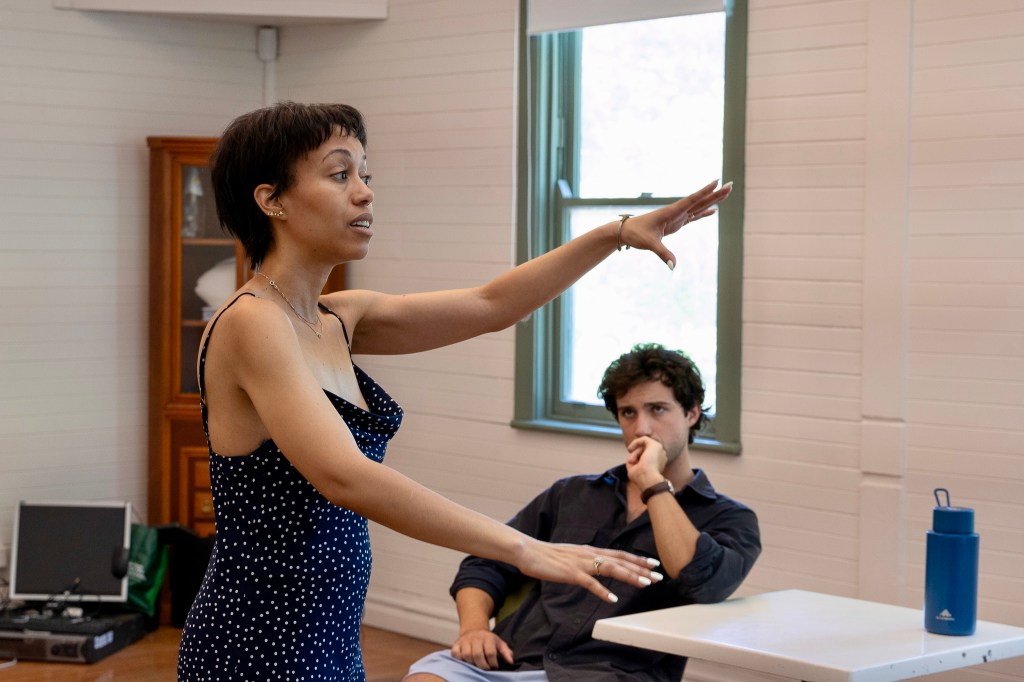
“My mom passed away suddenly… I lost my mind. She ended up being a psychologist but she was truly an artist. There were things I knew she hadn’t accomplished… There’s this feeling that you need to finish what they’ve done. So I had this insatiable quest to become a pop star and the only way I thought that could happen was if I produced it myself. And that’s why BearTiger Productions started.”
kai paynter
DAM: Well, what was the first thing you did with Bear Tiger?
KP: It was the pop star shit. I came up with an EP.
DAM: Wow. Okay.
KP: Yes, don’t look it up. Don’t do that.
DAM: [laughs]
KP: But I am proud of the fact that we made it. I just told Kirk one day that he was going to be a songwriter, and he was like, “You think so? And I’m like, yes, I do.” And he wrote some songs and it sounds crazy, but Kirk is a good writer, and I knew that. I knew he was a great writer. I knew he was a poet, because when we started talking he would tell me these really elaborate stories and had such a way of telling them in his own sort of way. So I was like, ‘Get to work’ and he did. And so we came out with an EP. We had a launch and everything.
We made a few music videos.. and then we wrote a pilot. We pitched it in Los Angeles for a while. It did really well. But, you know how Hollywood is; they’ll make all these changes to your work and I wasn’t really willing to let go of my baby. So it never really took off. I became a little deflated, let that go and went back to teaching.
DAM: And then after that, you started The Americas theatre?
KP: Yes, with The Americas… I longed to feel connection as a new person in Australia. I’m from Buffalo, New York, but I was born in Canada and when I moved here, I missed my family, my friends, the way of life – so much. I missed the normalcy of day to day. And while Australia and America are Western countries and we both speak English, the culture is completely different. And you know, I cannot say enough about that. It’s just completely different. I craved that familiarity. I’d go to the movies, often alone. And in America, there’s a lot of chatter in the movie theatres, you know, and there’s people being like, “Oh, my God!” if there’s a scary moment or in a really sad moment, you’ll hear everybody sniffling in the audience and it sort of feels like community, so you don’t feel all that alone. I missed stuff like that. I always found so much joy in teaching [Acting, movement, voice]. I saw talent, and I directed a bit back home so Kirk encouraged me to try my hand at directing something here. I almost said no, but then I thought about my mother, who introduced me to theatre, to the arts in general. So I thought, well, why not?
“I longed to feel connection as a new person in Australia… While Australia and America are Western countries, the culture is completely different… In America, there’s a lot of chatter in the movie theatres, there’s people being like, “Oh, my God!” if there’s a scary moment or in a really sad moment, you’ll hear everybody sniffling and it sort of feels like community, so you don’t feel that alone. I missed stuff like that.”
Kai Paynter, on staring ‘The americas’ theatre co
KP: I was also interested in seeing American work which included both Americans and Australians. There’s nothing wrong with Australians doing American work, but there’s a bit of magic that happens when a cultural rep can lead the story – there’s more accuracy, nuance, and bite. It’s also respectful, sensitive. Again the culture here is completely different and I know you get a lot of American TV but that’s perception. When you’re taking on that culture’s characteristics, that’s a whole different thing. A lot of the work I’d see or be requested to fix was missing that authenticity, that “ism” – even if it was good work. I am interested in being convinced that this show is a recreation of real life. I want to see the connection, the depth and the rawness. I want to see an actor who understands what they’ve taken on, you know? And I want to see actors understand dialogue to the point where it looks like it’s coming from a real place, even if it’s not “their place”.
“There’s nothing wrong with Australians doing American work, but there’s a bit of magic that happens when a cultural rep can lead the story – there’s more accuracy, nuance, and bite… I am interested in being convinced that this show is a recreation of real life. And I want to see actors understand dialogue to the point where it looks like it’s coming from a real place, even if it’s not “their place”.”
kai paynter
DAM: I agree. It reminds me of Australia’s production of Hamilton – and how it was such a success with such a Diverse cast, and that was absolutely because Lin-Manuel Miranda was directly involved in the production of it here. If he hadn’t been, it honestly probably would have been a very different and a very less diverse show.
KP: Right, yes. For example, your perception of Americans is that they’re over the top, loud, boisterous, right? And generally speaking, you’re not wrong, but from what place are you deriving it all from? Why are they loud? And it’s those differences that take a piece from good to great, in my opinion
DAM: That’s very true, I don’t think that’s thought about enough.
KP: That is the difference between someone who’s connected versus not connected, someone who’s performing versus not performing. So I’m really excited about making theatre. I’m making theatre for the people, for regular people. I’m not really making it for the theatre critic or the theatre goers who have an idea about what theatre should look like. And so it’s really important to me that the average person gets to come in and see some work that’s really, really connected and alive.
DAM: Would you say that has been the general feedback from your shows? How has the reception been?
KP: From the audience, really good. And sometimes I go, oh, you know, ‘maybe they’re just saying that’. But I know that Australians don’t just say that kind of stuff. I know Americans do. Americans often go, ‘oh, that was really good’, and they’re sort of not really meaning it. Australians tend to say nothing, which, you know, a lot of times I appreciate because it means I’ve left them speechless. Or they have really kind things to say, really warm and sometimes really negative things, where it’s like, they have a really strong opinion, which is another good thing. You don’t necessarily have to like what you just watched, but if it moved you to the point where you go ‘oh, that was awful’, then it’s probably pretty good.
So we’re getting a lot of that and I’m very, very encouraged by that. I don’t necessarily need their approval but I do want them to experience something… something different.
DAM: That’s great to hear. What are you currently working on?
KP: Well I’m so glad you addressed Lin-Manuel because I think what he’s done is really cool by bringing traditionally, you know, white characters to life with people of colour. And I think that was just so clever. And at first when I saw that, I was like, ‘that will never work, that’s just so weird’. And I’m sure that’s what everybody said.. But in our previous show, Amongst The Living, the work that we had is quite classical. I remember in school, in undergrad, I had a teacher, and we were doing Othello, and I was auditioning for grad school, as I mentioned earlier, for the role of Desdemona. Obviously, it’s a racially charged play, and Othello’s black, Desdemona’s white, right? This teacher said to me, “You would never play this in real life. Why would you do this now?” And it almost put out a light in me, and I thought, ‘why not, why can’t I? Why can’t you see me like that?’ ‘Amongst the Living’s characters are traditionally played by white actors. We had Kalana, who’s Sri Lankan, Grace, who is of Asian descent, Tiana, who is Aboriginal, Michael, who’s also of Asian descent. And it’s so cool to see the eloquence come out, because you don’t know. You’ve never seen it. I’ve never seen it. And then all of a sudden you hear this person speak and you’re like, ‘oh, wow, this is them, it was always them’. I love that they saw themselves, too. And so I think it’s really important that people come and see these shows because you get to see people in roles, in which you normally wouldn’t. Especially in a place like Australia, where you guys, I think, are just leaning into that sort of diversity thing.
“I think it’s really important that people come and see these shows because you get to see people in roles, which you normally wouldn’t. Especially in a place like Australia, where you guys, I think, are just leaning into that sort of diversity.”
kai paynter
DAM: Absolutely, there is always more room to progress with Diversity in Australia. Can you tell us about your latest work?
KP: Sure, I’m self-directing an unpublished piece by Neil LaBute called ‘If I Needed Someone’. It’s been a challenge and a half. Neil has been so encouraging and motivating and just all round great in supporting us from afar. It felt right to jump into it now, after a whole 10 years. The rest of the team, Gary, my co-stars and the alternates have been an absolute dream. This play is especially important because it tackles love in the modern world, language, and all that – shit young people are dealing with. It’s important. And I always add my flare wherever possible so I’ve woven in music that speaks to me, as I do in every show!
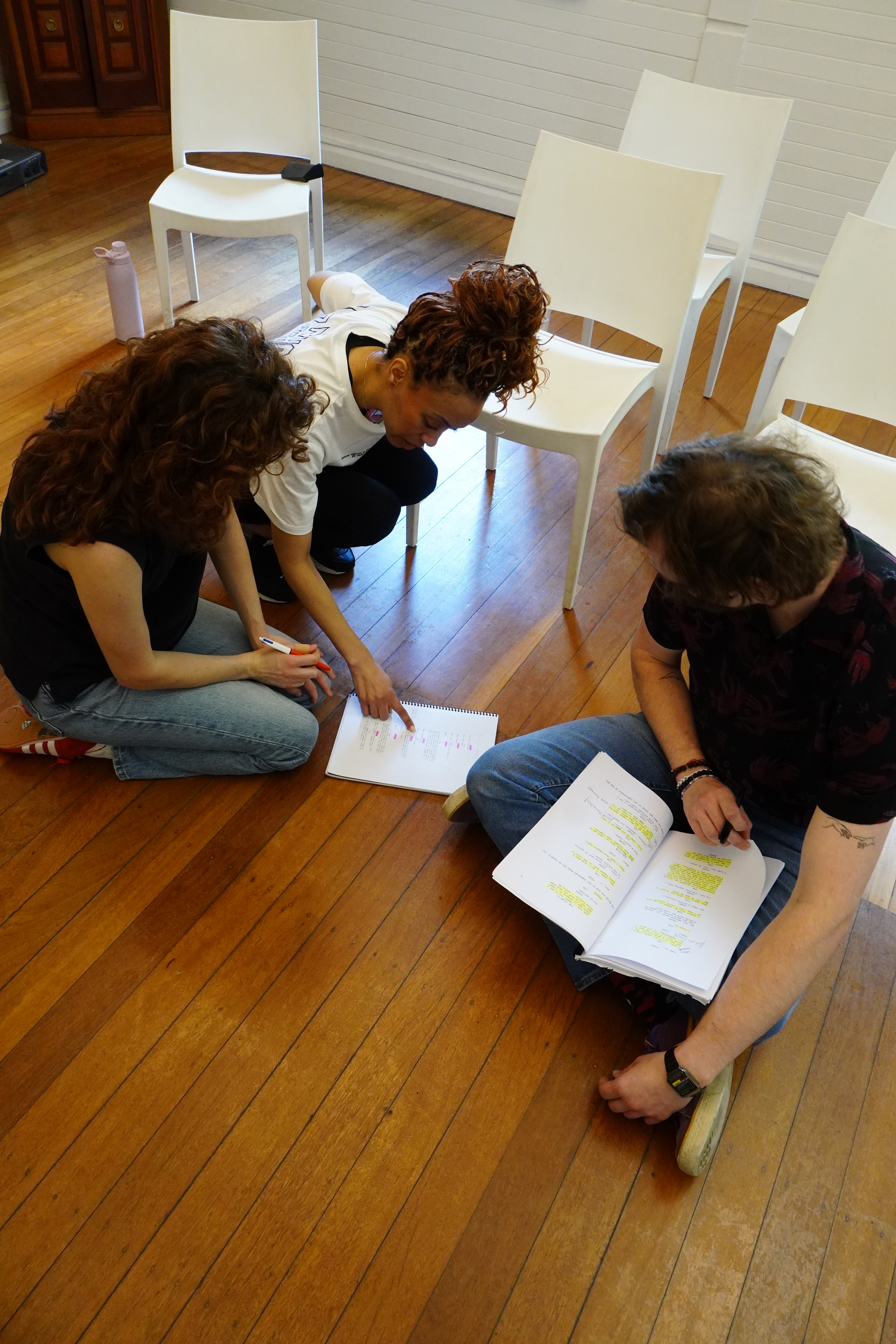
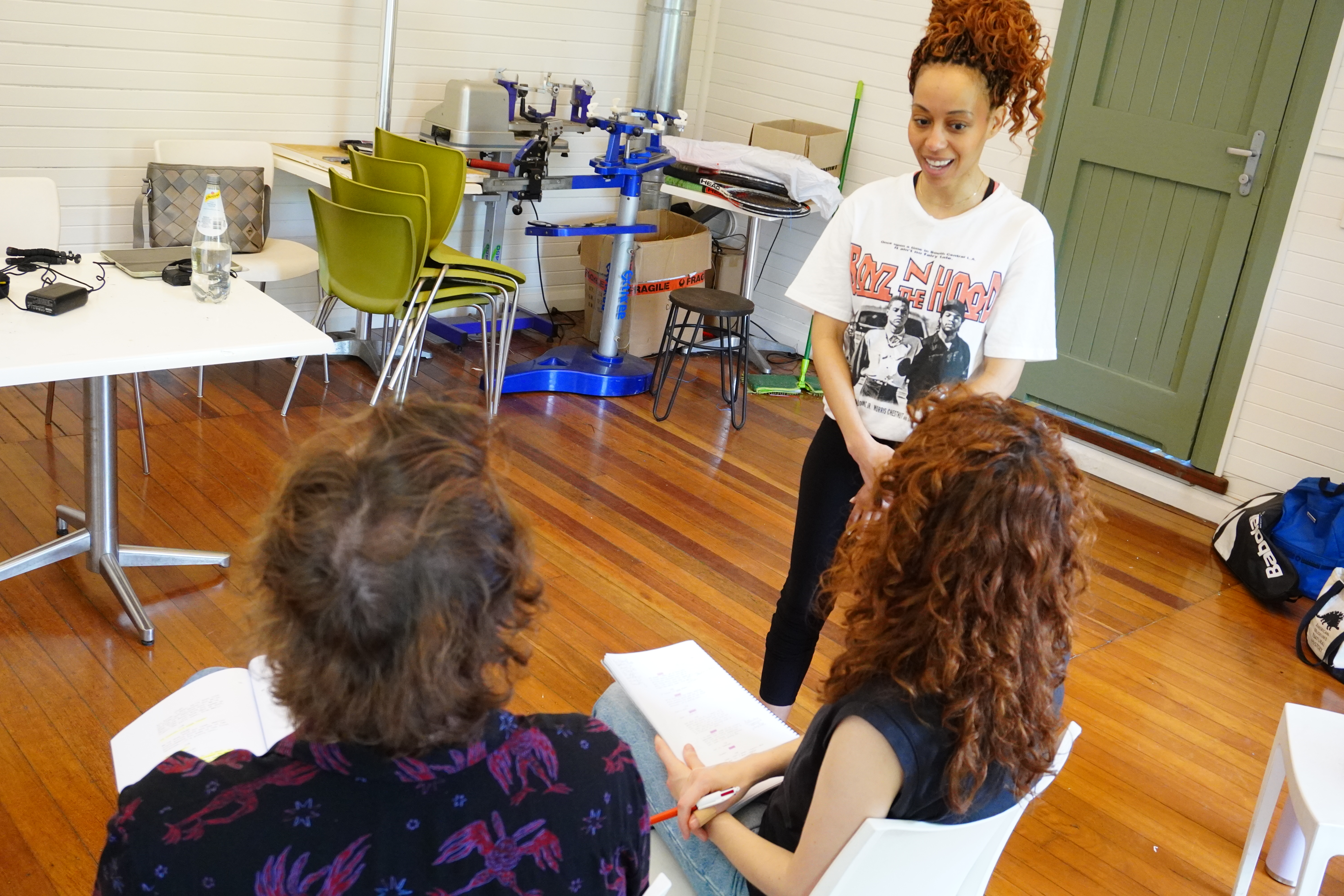
“‘If I Needed Someone’ tackles love in the modern world, language, and all that – shit young people are dealing with. It’s important. And I always add my flare wherever possible so I’ve woven in music that speaks to me, as I do in every show!”
kai paynter, on her upcoming show ‘If I needed someone’ by neil babute
DAM: Is there any advice you’d give to people who perhaps are trying to build something in Australia who might not have the opportunity? What’s something you’ve learned during your process of creating this company that you could extend to them as advice?
KP: I’ve learned so much. It’s hard to narrow it down to one thing, but – you have to move forward… With or without, you just always have to move forward. You can’t ever spend your time looking back, and you can never spend your time looking next to you. The moment you do that is the moment everything sort of drops. In our field, you kind of have to be a bit delusional, too. Look ahead and trust that it’s going to work, because you’ve set yourself up for that. Just go, because you must.
I mean, life just keeps going. Once you stop, it doesn’t mean that life stops, you know? It doesn’t wait for you. And if you’re concerned about what to do, how to do it, or if you’re worried about somebody else, or how you’re perceived – that will plague you. Find the people who want to work with you, get the mentors. I’ve been very fortunate but it hasn’t been perfect. I continue to remind myself to move forward, and I seek out my mentors when I’m disenchanted or lost and I find a way. I’m lucky to have those types of people around… I try to surround myself with good people, and I move forward.
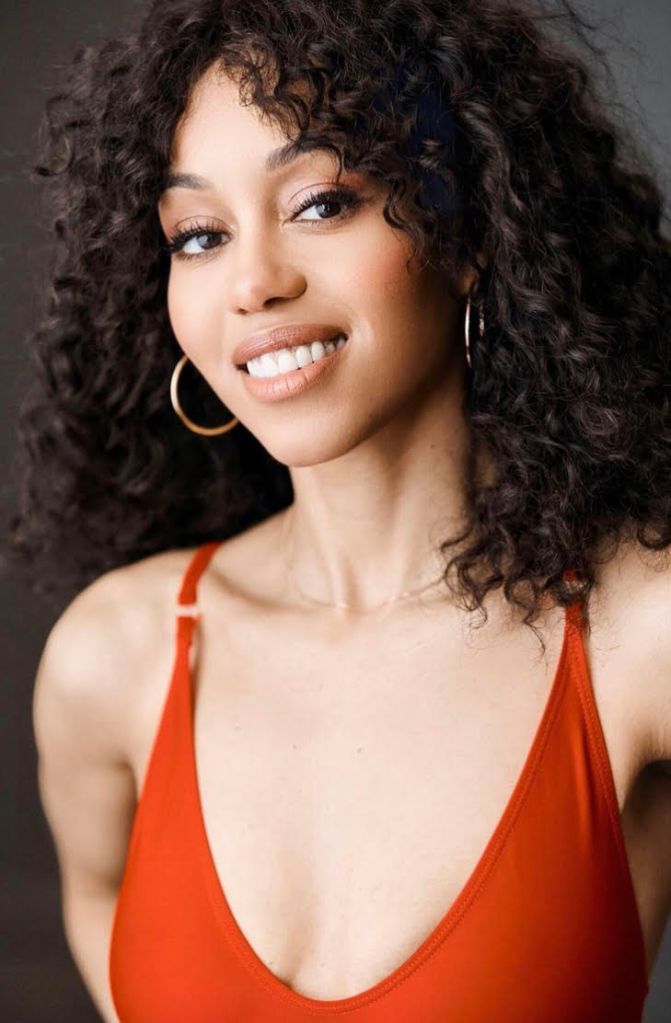
“With or without, you just always have to move forward… Life just keeps going. Once you stop, it doesn’t mean that life stops, it doesn’t wait for you. And if you’re concerned about what to do, how to do it, or you’re worried about somebody else, or how you’re perceived – that will plague you. Find the people who want to work with you, get the mentors… I try to surround myself with good people, and I move forward.”
kai paynter
.
.
Get tickets to ‘If I Needed Someone’ here:
https://events.humanitix.com/the-americas-a-theatre-company-presents-if-i-needed-someone
Show info: https://ifineededsomeone.carrd.co/
.
Find more on Kai, The Americas & BearTiger Productions:
BearTiger Productions: https://beartigerproductions.com/
BearTiger Productions on Instagram: https://www.instagram.com/beartiger.productions/
The Americas: https://theamericas.beartigerproductions.com/
The Americas on Instagram: https://www.instagram.com/theamericastheatreco/
Kai’s website: https://kaipaynter.com/
Kai on Instagram: https://www.instagram.com/paynter_performance/
 Diversity Australia Magazine